
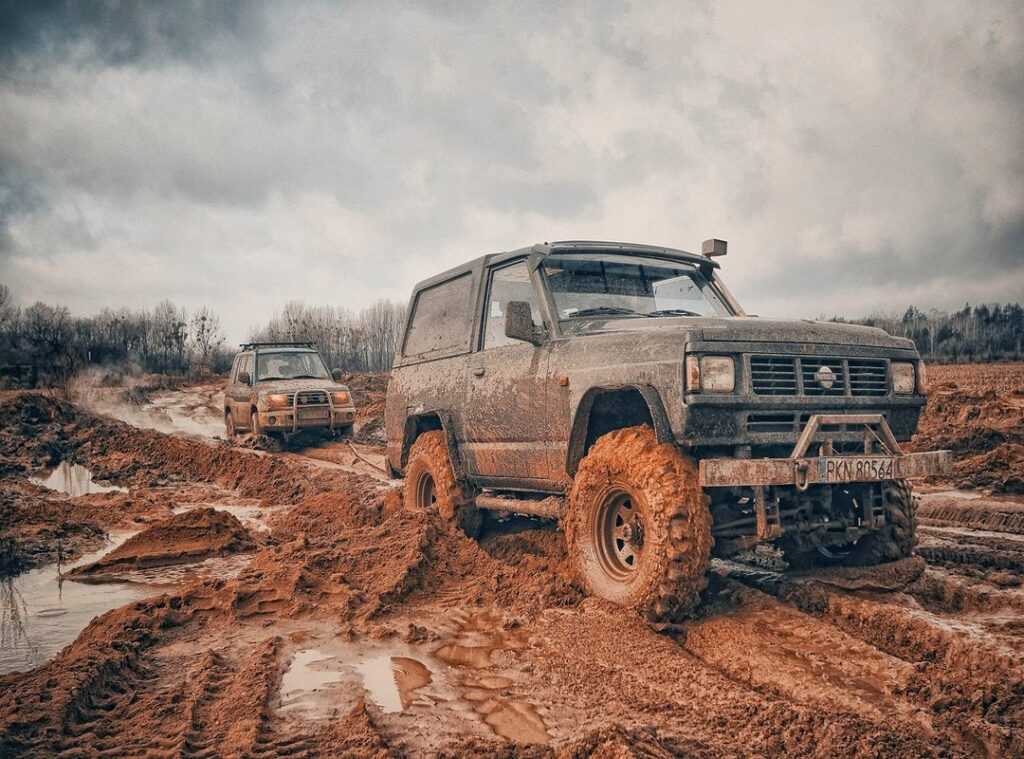
Choosing an off-road vehicle can be thrilling and overwhelming. You see all those off-road vehicle features and wonder what really matters.
I get it. Many enthusiasts struggle to decode the technical specifications, making it hard to know what to prioritize. This often leads to poor choices or unmet expectations.
After spending countless hours evaluating vehicles across diverse terrains, I’ve learned what truly matters. You can trust these takeaways.
This article breaks down the important specifications for off-road vehicles. I’ll transform all those confusing numbers into actionable knowledge.
Whether you’re into rock crawling, mudding, or high-speed desert adventures, I’ll help you make informed decisions.
We’ll cut through the jargon together, empowering you to confidently select or improve your rig. Let’s dive into the nitty-gritty of off-road vehicle specs so you can hit the trails ready for anything. You’ll feel prepared and excited for your next adventure.
Powering Through: Engine & Drivetrain Essentials
Let’s get down to it: engine specs like horsepower and torque matter. Horsepower gets all the glory, but torque is the unsung hero for off-road adventures. Why?
It’s all about that low-end grunt. When you’re crawling over rocks, torque is what pulls you through.
There are different engine types to consider. V6, V8, Diesel. Each has its quirks.
Diesel engines are torque monsters with better fuel economy. V8s? They’re all about raw power.
They drink fuel like it’s happy hour, though.
Now, transmissions. Manual vs. automatic. For off-roading, manual gives you control, but automatics have come a long way.
And don’t overlook low-range gearing. A good crawl ratio is your best friend on uneven terrain.
Drivetrain configurations? You’ve got 4×4 and AWD. Full-time, part-time, automatic.
Each has its moment. Full-time 4×4 is great for constant traction. Part-time is more flexible (and often cheaper).
Let’s not forget differentials. Open, limited-slip, and locking. Open diffs are basic.
LSDs balance traction and drivability. Lockers? They mean business on tough trails.
Curious about balancing all this power and efficiency? Check out this balancing power efficiency vehicles guide. It’s got the goods.
Conquering Terrain: Suspension & Ground Clearance Dynamics
Let’s talk suspension. It’s the backbone of any good off-road experience. You might not think about it much (until) you’re bouncing around like a popcorn kernel in the desert.
The suspension isn’t just about comfort; it’s about capability. Solid axles and independent setups each have their perks. Solid axles?
They’re all about articulation. They help keep your tires glued to the ground on uneven surfaces. Independent suspension?
More about ride comfort and high-speed stability. It smooths out the ride when you’re barreling down a dirt road.
Wheel travel is next on the list. It’s the distance a wheel can move up and down. The more travel, the better your off-road vehicle features handle rough terrain.
Shock absorbers come in different flavors: twin-tube, monotube, bypass, and coil-overs. Each affects damping performance and how heat is managed during a rough ride.
Let’s not forget ground clearance, approach angle, departure angle, and breakover angle. These measurements dictate how well your vehicle can clear obstacles. No one wants to bottom out on a rock.
So, you see, understanding these dynamics isn’t just for gearheads (it’s) for anyone planning to conquer terrain. Got it? Good.
Now go hit some trails.
Grip & Control: Tires, Wheels & Braking Systems
Ever looked at tire sizing and felt like deciphering a code? Take 35×12.50R17 for instance. It tells you a lot: the width, diameter, and how it impacts your ground clearance and gearing.
It’s tricky, though, because get it wrong and your fender’s gonna have a bad day.
Now, off-road tire types. All-Terrain (AT) tires are versatile, but they don’t excel in any one area. Mud-Terrain (MT) tires?
Perfect for mud but noisy on the road. Hybrid tires try to balance both. It’s a give-and-take situation that every off-roader has to grapple with.
Wheels aren’t just about looks, although that’s what many focus on. Material, diameter, and offset affect tire fitment and steering. Go for steel if you want durability.
Alloy for lighter weight. Interested in beadlock wheels? They’re fantastic for low-pressure driving.
But overkill for regular roads.
Braking systems deserve more love. ABS and traction control can be life-savers in sticky spots. Sometimes, though, you might want the option to disable them in demanding conditions.
It’s these top 5 additions to make your vehicle terrain-ready that make all the difference. Off-road vehicle features often feel like a constant balancing act.
Built to Endure: Chassis, Protection & Recovery Features
Let’s get into it. When you’re tackling rugged trails, the chassis matters. The body-on-frame design is the go-to for serious off-roading.
Why? It’s strong and easy to modify. You can practically hear the unibody construction crying in the corner.
Underbody protection is non-negotiable. Skid plates are important for shielding the engine, transmission, transfer case, and fuel tank. Steel plates?
Tough and reliable. Aluminum? Lighter but still protective.
You choose based on your needs and budget.
Rock sliders are another must-have. They protect your rocker panels from those nasty impacts. And you can mount them in different ways, depending on your style and vehicle.
Recovery points like tow hooks and D-ring mounts need proper placement and rating. You don’t want them failing when you’re stuck in a ditch. Trust me, I’ve been there.
Winch compatibility and capacity are key too. Match the winch rating to your vehicle’s GVWR. Whether it’s 9,000 lbs or 12,000 lbs, it matters.
For more on Performance Metrics Right Vehicle, check this out.
So, are you ready to hit the trails?
Off-Road Mastery: Dimensions & Performance
Ever wonder why some vehicles glide over trails while others feel like a rickety fair ride? It’s all about dimensions, my friend. The wheelbase, that distance between axles, is more than just a number.
Longer ones give stability (think of a ballerina’s wide stance), but short ones let you pivot on a dime. Tight turns, steep crests, you’ll handle them like a pro.
Then there’s track width. Wider tracks hug side slopes like they’re made for it. Trust me, stability is not just a buzzword when you’re off-road.
Payload capacity? Key. It’s the gear, passengers, everything you haul.
If you skimp here, you risk performance. Who wants that?
Now, towing capacity is up next. If you’re towing trailers or campers, it must match your needs. No one likes a surprise mid-adventure.
And let’s not forget fuel tank capacity. It’s directly linked to how far you can go, especially when gas stations are as rare as unicorns. Long treks need big tanks.
Lastly, consider the unsung heroes: cargo space, interior comfort, and tech features. They transform a rugged trip into pure off-road bliss. Without these off-road vehicle features, you’re not just stuck.
You’re missing out.
Your Next Off-Road Adventure Awaits
You’ve tackled the confusion around off-road vehicle features. Now you know what to look for and how to match your vehicle to your adventures. This knowledge isn’t just useful; it empowers you to make informed decisions.
So, what’s next? Take this clarity and explore vehicles with confidence. Look critically at their specs and imagine the terrains you’ll conquer.
Share your takeaways with fellow adventurers. This community thrives on shared knowledge. Dive in and embrace your next off-road journey.
It’s time to take action. Your adventure is waiting. Go out and claim it!
 Trail Content & Community Manager
Auritha Wolfquell oversees the storytelling and community engagement side of FMBOffroad.com, bringing every adventure to life through compelling content and rider-focused communication. She specializes in creating informative articles, trail features, and lifestyle content that resonates with off-road enthusiasts. Her creative vision helps strengthen the connection between the brand and its growing audience of motorcycle explorers. Auritha is passionate about outdoor travel, motorsport culture, and building communities centered around shared experiences. She also manages collaborations, rider spotlights, and digital campaigns that highlight the excitement of off-road adventures. Her energetic approach and attention to detail make her an essential voice within the FMBOffroad team.
Trail Content & Community Manager
Auritha Wolfquell oversees the storytelling and community engagement side of FMBOffroad.com, bringing every adventure to life through compelling content and rider-focused communication. She specializes in creating informative articles, trail features, and lifestyle content that resonates with off-road enthusiasts. Her creative vision helps strengthen the connection between the brand and its growing audience of motorcycle explorers. Auritha is passionate about outdoor travel, motorsport culture, and building communities centered around shared experiences. She also manages collaborations, rider spotlights, and digital campaigns that highlight the excitement of off-road adventures. Her energetic approach and attention to detail make her an essential voice within the FMBOffroad team.