Desert exploration pulls you in with its stark beauty, but let’s be honest, it can also scare the hell out of you. The challenges of arid landscapes are real. Sand dunes shifting, heat waves distorting your path, and the sheer isolation can make even the most seasoned adventurer second-guess their choices.
I’ve spent countless hours traversing off-road and moto trails, and I get it. I know what it takes to get through these rugged terrains with confidence.
This article is designed to arm you with important knowledge and skills. You’ll find clear definitions and actionable how-to steps that will help transform daunting desert landscapes into manageable adventures.
I promise to share takeaways that come from real experience. You’ll discover how to tackle desert space navigation head-on, leaving your hesitation in the dust. Together, we’ll dive into the rewards and challenges of this unique environment.
Let’s get started.
Desert Terrain: Beauty and Challenges
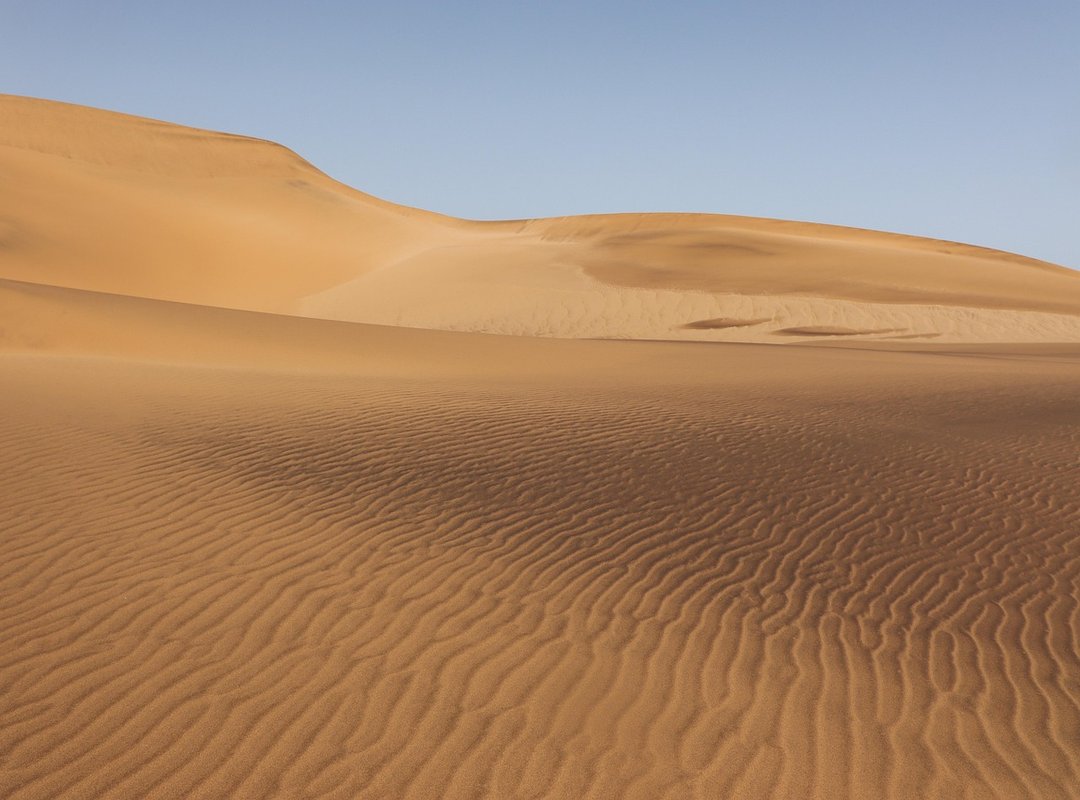
Deserts are vast, aren’t they? When I think of desert terrain, I imagine endless stretches of arid land under an unrelenting sun. The extreme conditions set it apart.
It’s not just hot during the day; it’s cold at night.
Does this mess with your gear? Absolutely. Temperature swings impact vehicle performance and test personal endurance.
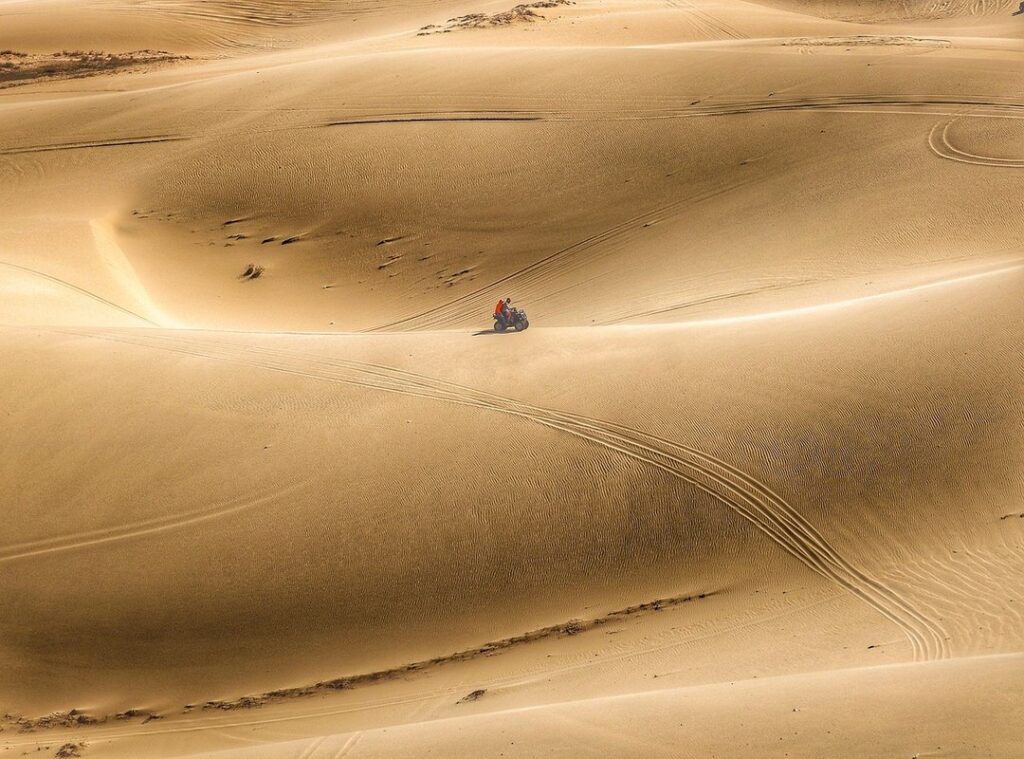
Imagine navigating the shifting sands of dunes. It’s like driving on clouds, but less poetic and more nerve-wracking. Then there are the rocky outcrops and hard-packed earth.
Each step or wheel rotation presents a new challenge. And let’s not forget those tricky wadis. Dry riverbeds might look harmless, but they can deceive you into a false sense of security.
Navigation here isn’t straightforward. The lack of landmarks can leave you feeling lost. Dust storms obscure your vision, while mirages play tricks on your eyes.
Yet, there’s a raw beauty in desert exploration. It’s a compelling mix of danger and awe. Desert space navigation requires respect and preparation.
You can’t just wing it in these terrains. Why? Because the desert demands you appreciate its grandeur.
Is it worth the effort? Every challenging moment adds to the thrill of the journey.
Gear Up: Important Desert Vehicle Prep
Venturing into the desert isn’t just about getting a sunburn or desperately looking for an oasis. It’s about making sure your vehicle won’t leave you stranded. Let’s face it, no one wants to be that person digging their wheels out of the sand.
Tire pressure is everything. Air down for sand and up for roads. Trust me, those soft All-Terrain or Mud-Terrain tires are your best friends here.
And fluids? Check them all. Oil, coolant, brake fluid… they’re as key as SPF in the desert.
I always carry extra water and coolant because one dry radiator can ruin your day.
Another key but often overlooked component is your air filter. A strong air filtration system is a must to keep that fine desert dust from wreaking havoc on your engine. Now, let’s talk about recovery gear.
A reliable winch, sturdy sand ladders, and a kinetic recovery rope are non-negotiable.
Personal gear? Don’t skimp on sun protection. Wide-brimmed hats, UV eyewear, sunscreen, and lightweight clothing are essentials.
And hydrate! Electrolytes, water, and a solid first-aid kit are lifesavers. For navigation, having a GPS device and a crossing waterways safely fording rivers guide could mean the difference between adventure and disaster.
And pack two-way radios for group travel. Desert space navigation demands it.
Master the Desert: Drive Smart, Drive Safe
Driving on sand is an art. You need to air down your tires. Why?
Because it increases the tire’s surface area to grip the sand better. You’ll float rather than sink. Keep your speed consistent.
No jerky stops or turns. Your vehicle craves smoothness on this soft terrain.
Steering through dunes requires finesse. Gentle inputs work best. Feather the throttle to maintain control.
Don’t rush it. Feel the rhythm of the desert and adjust. That’s how you avoid getting stuck.
But what if you do get stuck? Don’t panic. Use recovery boards.
Or try a gentle rocking motion. Forward… backward… repeat. Patience is key here.
Rocks present a different challenge. Crawl at a slow pace. Choose your line carefully to protect the undercarriage.
Sometimes a spotter is useful (like a second pair of eyes). They’ll guide you through tricky paths.
On hard-packed earth and wadis, you need to read the space. Look for hidden dips and washes. Watch out for flash floods in riverbeds.
This isn’t just driving. It’s desert space navigation.
Control is everything in the desert. Smooth inputs, broad visual horizons, and knowing your vehicle’s limits are key. Understand your machine and the terrain.
Want to learn more? Check out mastering ridge lines cliff edges for more skills.
Desert driving is about respecting nature and understanding your ride. The sand, rocks, and hard earth each demand a different approach. But with practice, you’ll get through them like a pro.
Surviving the Desert: Hazards and Safety
When you’re in a desert, dehydration and heatstroke aren’t just buzzwords. They’re real threats. You need to drink water consistently, not just when you’re thirsty.
Rest is non-negotiable. Feeling dizzy or confused? That’s your body screaming for help.
Don’t ignore it.
Wildlife can be a surprise in the desert too. Snakes, scorpions, and spiders are your unwelcome companions. Prevention is key (watch where you’re stepping), but if bitten, stay calm.
Basic first-aid means cleaning the wound and seeking help immediately.
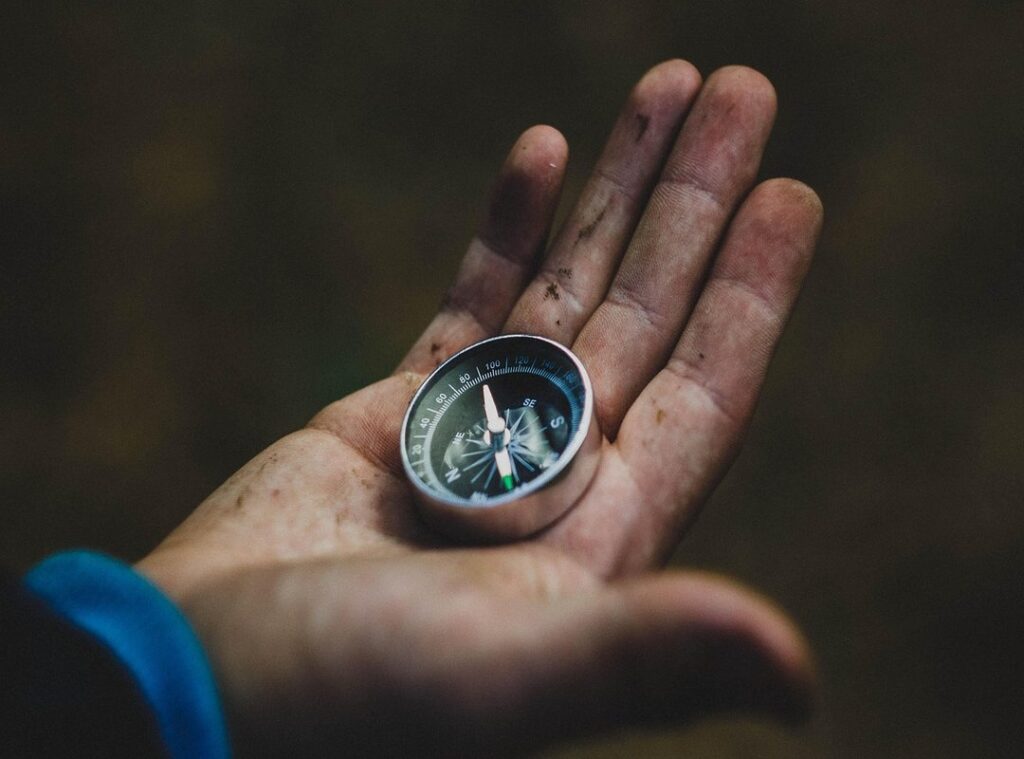
Getting lost isn’t just a plot twist in movies. It’s a real risk. Redundant navigation systems are your best friend.
And if you’re stranded, stick with your vehicle. It’s easier to find a car than a lone wanderer.
Mechanical breakdowns happen. Carry spare parts like belts, hoses, and fuses. Basic troubleshooting can save the day.
Do you hear a strange noise? Stop. Check.
Fix.
Dust storms? They’ll blind you, literally. Reduced visibility means finding shelter fast.
Keep communication open with fellow travelers. Don’t be a hero.
Traveling solo? Think twice. Convoys offer safety in numbers.
Solo adventurers need specific precautions. Always let someone know your plans.
And if things go south, know your signaling methods. Signal mirrors, flares, and satellite messengers can save your life. They get attention when you need it most.
For more on desert space navigation, check out this guide.
Now, are you ready to face the desert with confidence? It’s about being prepared, not scared.
The Explorer’s Ethos: Responsible Desert Adventure
When you’re navigating the desert space, you gotta know the “Leave No Trace” principles. Pack out all waste. Why trash a place that’s been around for millennia?
Stay on designated trails to safeguard fragile ecosystems. Those cryptobiotic soil crusts (ever heard of them?) are key. Interact with wildlife from a distance.
No need to disturb their turf. Respect cultural sites, too. Imagine the stories they hold.
Exploring these landscapes is a privilege, not a right. We must act as stewards, preserving the ancient beauty for future generations. Are you ready to take on that responsibility?
Ready for Your Next Desert Adventure?
Your search for desert space navigation has led you to the right place. I understand the fear many have about the desert’s challenges. But now, you’re equipped with the knowledge to tackle them confidently.
By mastering the terrain and prioritizing safety, the desert shifts from intimidating to exhilarating.
So, what’s next? Use these takeaways to plan your next adventure. Dive deeper into learning and prepare responsibly.
You’ll find unique perspectives in those arid landscapes that few ever experience. Start exploring and embrace the deep satisfaction that comes from understanding the wild. Your adventure awaits.
 Founder & Chief Adventure Director
Tynovox Ridge is the visionary founder behind FMBOffroad.com, a platform built for riders who crave adrenaline, exploration, and the freedom of off-road culture. With years of experience in motorcycle adventures and trail discovery, he created the brand to connect enthusiasts with authentic riding experiences and industry insights. Tynovox is known for his fearless mindset, leadership in outdoor motorsports, and passion for pushing boundaries beyond the pavement. His hands-on approach keeps the company closely connected to the off-road community and evolving riding trends. From coordinating adventure campaigns to guiding the brand’s creative direction, he continues to shape FMBOffroad.com into a trusted destination for riders worldwide. His dedication to adventure culture inspires both seasoned riders and newcomers alike.
Founder & Chief Adventure Director
Tynovox Ridge is the visionary founder behind FMBOffroad.com, a platform built for riders who crave adrenaline, exploration, and the freedom of off-road culture. With years of experience in motorcycle adventures and trail discovery, he created the brand to connect enthusiasts with authentic riding experiences and industry insights. Tynovox is known for his fearless mindset, leadership in outdoor motorsports, and passion for pushing boundaries beyond the pavement. His hands-on approach keeps the company closely connected to the off-road community and evolving riding trends. From coordinating adventure campaigns to guiding the brand’s creative direction, he continues to shape FMBOffroad.com into a trusted destination for riders worldwide. His dedication to adventure culture inspires both seasoned riders and newcomers alike.