
If you love off-roading, you know how key it is to master ridge lines navigation. It’s often the difference between a thrilling adventure and a frustrating misadventure.
I’ve been there, staring at a map and feeling completely lost.
But learning how to get through those rugged paths can raise your experience.
In this article, I’ll break down practical techniques that will boost your skills.
You’ll discover tips that can transform how you tackle challenging landscapes.
I promise you’ll find takeaways that connect with both beginners and seasoned adventurers.
I’ve consulted experts and drawn from my own experiences to give you reliable guidance.
We’ll explore everything from basic navigation principles to advanced strategies that make a real impact.
By the end, you’ll be ready to conquer those ridge lines with confidence.
Get ready to boost your off-road adventures and really enjoy the journey ahead.
Decoding Ridgelines: Anatomy and Inherent Challenges
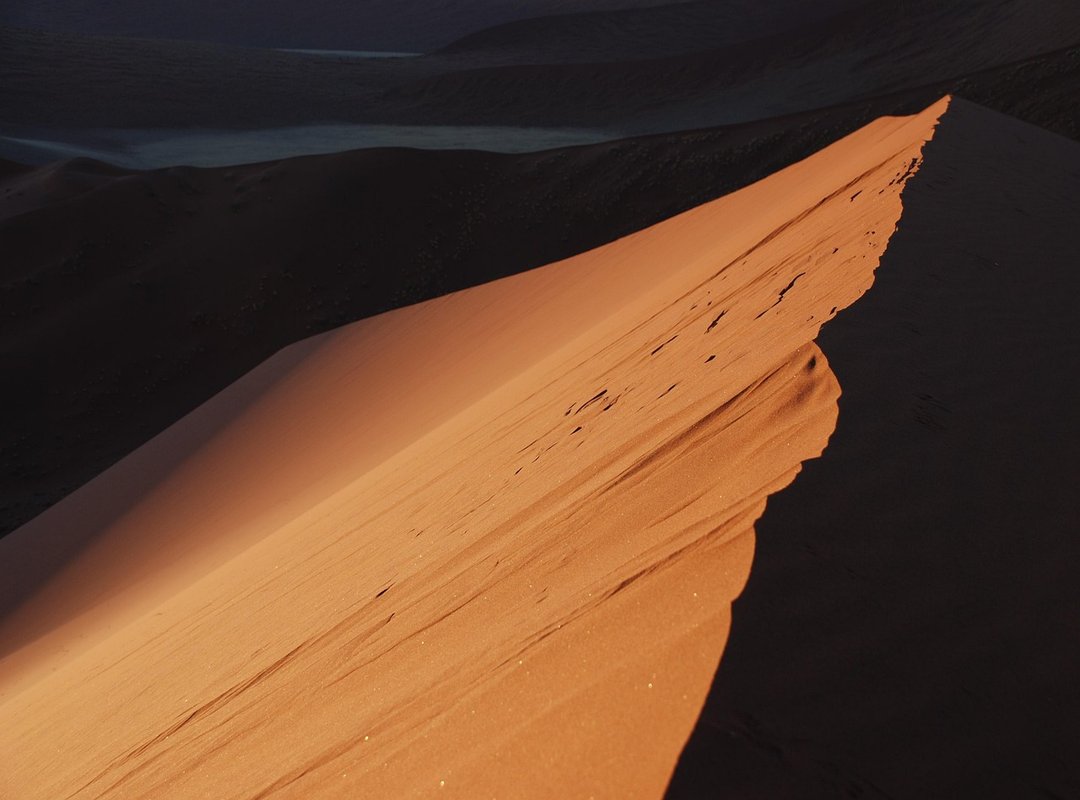
When I first tackled ridgelines, I thought, “How different could they be from regular trails?” Turns out, they’re a whole other beast. A ridgeline isn’t just a hill or a trail. It’s the spine of a mountain, offering breathtaking views and, let’s be honest, a few heart-stopping moments.
Each type has its quirks. Knife-edge ridgelines are as sharp as they sound, demanding precision with every step. Rounded ridgelines might seem tame but don’t let them fool you.
They can hide tricky cross-slopes and slippery surfaces.
Saddles create those dips that make you feel like you’re on a roller coaster. And spurs? They jut out, challenging you to keep your balance.
But the real test lies in the exposure and limited escape routes. When you’re up there, the wind doesn’t just whisper. It roars.
Surface conditions change faster than a plot twist in a thriller. That’s why understanding these elements is key for ridge lines navigation.
You can’t just wing it. You need to know what you’re dealing with. So, before you set out, ask yourself: Are you ready for the extremes?
Because these aren’t your everyday trails. They’re the ultimate test of grit and skill.
Planning for Ridgeline Adventures: Your Guide to Success
When you’re setting out on a ridge line conquest, planning isn’t just a suggestion. It’s important. I always start with topographical maps.
Gaia GPS and onX Offroad are my go-tos. They help identify potential ridgelines and gauge their difficulty. But here’s the thing: a map won’t show you everything.
Understanding the terrain is key. You need to scout for hazards like washouts or rock gardens. Ever hit a rock garden at speed?
It’s like riding a bucking bronco. And don’t forget to pinpoint safe bypasses or turn-around spots. These could save your hide if conditions get sketchy (and they do).
Weather’s another beast entirely. It can change the space in an instant. High winds, rain, snow, or fog will mess with visibility and conditions.
I’ve seen clear skies turn to fog soup in minutes.
Gear matters too. Make sure your tires are up to the task and your suspension’s dialed in. And don’t forget key recovery gear.
A winch, anchor points, and traction boards are must-haves for ridge lines navigation.
If you’re up for navigating tricky terrain, check out navigating desert unforgiving space. It’ll deepen your understanding of navigating harsh environments.
Mastering Ridge Lines: Precision on the Trail
Navigating those breathtaking ridge lines isn’t just about guts. It’s about skill, and maybe a little patience. Balance is your best friend out there.
Keep your vehicle’s center of gravity low. You don’t want to tip over (trust me, it’s not fun). Precision in tire placement can make all the difference on those narrow spines.
Speed? Not your ally. A slow, deliberate pace lets you react quickly to the terrain.
You need control, not chaos. There’s a time for speed, but not here. Momentum management is key.
Sometimes, a controlled burst of power is necessary. Other times, it’s a recipe for disaster.
When climbing or descending, engine braking is your secret weapon. Choose the right gear and keep your line smooth. A spotter can be the difference between a great day and a bad one.
They offer guidance and help you see what you can’t.
Communication is key. Hand signals, a nod, whatever works. We all make mistakes, but each one is a lesson.
Learn from them. Embrace the challenge of ridge lines navigation. It’s not just about the destination.
It’s the journey that counts.
Conquer the Ridge: Tackle Obstacles Head-On
Ridge lines navigation isn’t just a skill; it’s an art. Ever found yourself teetering across a cross-slope, heart pounding? It’s all about weight distribution.
Keep your center of gravity low, lean into the slope. Your steering inputs should feel like second nature by now.
Loose terrain like sand or scree? It’s tricky. I once got stuck in a washout (still embarrassed).
Here’s what you do: maintain steady momentum and avoid sudden inputs. If you need more help, you might want to check out more on Crossing Waterways Safely Fording Rivers.
Limited visibility from fog or dust storms is another beast. Slow down. Use navigation tools, and don’t be afraid to pull over until conditions improve.
Your life isn’t worth the risk.
And then there’s the psychological side. Heights and narrow paths can shake even the toughest. Focus on your breathing.
Make decisions with a clear mind. Trust your instincts, but prepare for the unexpected.
Preparation transforms those nerve-wracking moments into challenges you can handle. Practiced techniques (like ridge line guidance) turn potential disasters into just another story to tell. Keep exploring, keep learning, and you’ll conquer any ridge.
Advanced Ridgeline Tactics: Master the Peaks
Ridge lines navigation isn’t for the faint-hearted. It’s a dance of precision and nerves. You think you’ve mastered it, but there’s always more to learn.
Group dynamics play a huge role. If you’re not communicating well, you’re setting up for a mess. Staggered vehicle spacing?
Important. It keeps the convoy agile. And spotting?
That’s your eyes on the ground. No room for error there.
Ever been stuck on a ridgeline? It’s a nightmare. But with creative anchor points for winches, you can turn a disaster into a mere hiccup.
Kinetic ropes? They’re lifesavers. But only if you know what you’re doing.
High-risk environments demand specialized gear. Don’t skimp on it.
Breakdowns happen. So do injuries. What then?
Emergency protocols are non-negotiable. Satellite communication can be your only lifeline. And first aid?
It’s not optional.
But here’s the thing: as explorers, we have responsibilities. Leave No Trace isn’t just a slogan. It’s a commitment.
Stay on trails and respect the land. Push your limits, but do it wisely. Skills need sharpening, and terrains command respect.
Are you up for the challenge?
Master the Ridge for Unforgettable Adventures
Mastering ridge lines navigation turns fear into excitement. The dangers of ridgelines can overwhelm anyone. You need structured knowledge and practical skills to tackle these challenges head-on.
Consistent practice, careful planning, and knowing the terrain are important for safe navigation.
Why not dive deeper? Apply these takeaways today. Explore advanced topics that push your limits.
Connect with fellow adventurers who share your passion.
Don’t let fear hold you back. Take the leap. Your next unforgettable journey awaits.
Call now to start your adventure and conquer those ridgelines. The thrill is just a decision away.
 Founder & Chief Adventure Director
Tynovox Ridge is the visionary founder behind FMBOffroad.com, a platform built for riders who crave adrenaline, exploration, and the freedom of off-road culture. With years of experience in motorcycle adventures and trail discovery, he created the brand to connect enthusiasts with authentic riding experiences and industry insights. Tynovox is known for his fearless mindset, leadership in outdoor motorsports, and passion for pushing boundaries beyond the pavement. His hands-on approach keeps the company closely connected to the off-road community and evolving riding trends. From coordinating adventure campaigns to guiding the brand’s creative direction, he continues to shape FMBOffroad.com into a trusted destination for riders worldwide. His dedication to adventure culture inspires both seasoned riders and newcomers alike.
Founder & Chief Adventure Director
Tynovox Ridge is the visionary founder behind FMBOffroad.com, a platform built for riders who crave adrenaline, exploration, and the freedom of off-road culture. With years of experience in motorcycle adventures and trail discovery, he created the brand to connect enthusiasts with authentic riding experiences and industry insights. Tynovox is known for his fearless mindset, leadership in outdoor motorsports, and passion for pushing boundaries beyond the pavement. His hands-on approach keeps the company closely connected to the off-road community and evolving riding trends. From coordinating adventure campaigns to guiding the brand’s creative direction, he continues to shape FMBOffroad.com into a trusted destination for riders worldwide. His dedication to adventure culture inspires both seasoned riders and newcomers alike.