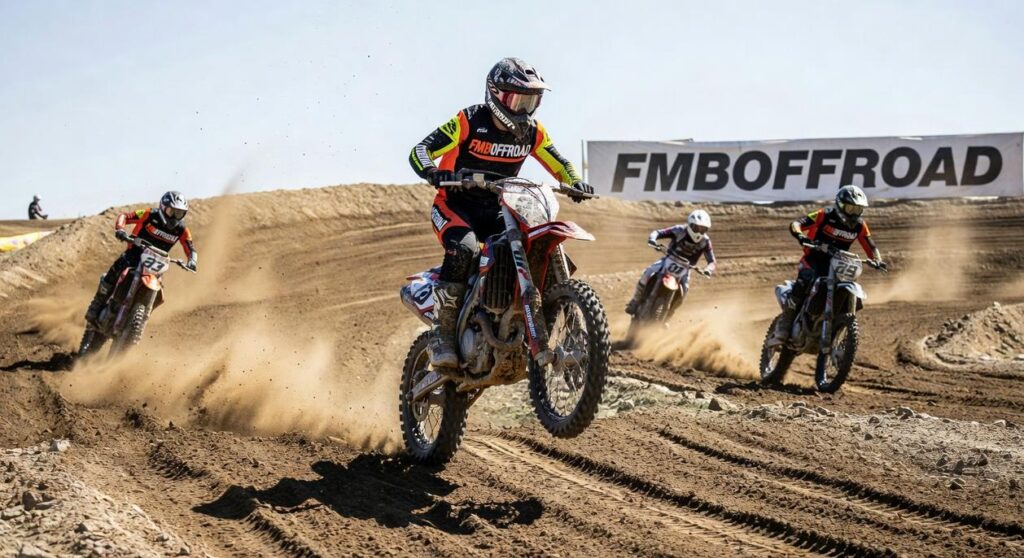
I’ve seen too many riders sit on the sidelines because they think racing is only for pros or factory-backed teams.
You’re already riding trails and pushing yourself on the bike. But when it comes to actually signing up for a race, something stops you. Maybe you don’t know where to find events. Or which class you should enter. Or what the whole race day process even looks like.
Here’s the truth: getting into motocross competition is simpler than you think.
I’m going to walk you through the exact steps to go from trail rider to racer. Where to find events near you. How to pick the right class. What prep work your bike actually needs (and what’s just overkill).
At FMBOffroad, we’ve helped riders make this jump dozens of times. We know what trips people up and what makes the transition smooth.
This guide covers everything from registration to the starting gate. You’ll know what to expect on race day so you’re not figuring it out in the parking lot.
No intimidation. No guesswork. Just a clear path to your first race.
Decoding the Classes: Where Do You Fit In?
You show up to your first race and see the signup sheet.
Fifty different class names stare back at you. 250F Beginner. Vet B/C. Schoolboy. Open Novice.
What does any of this mean?
Here’s the truth. The class system exists to keep you safe and give you a fair shot at racing people who are actually at your level.
Some riders say the whole thing is too complicated. They argue that we should just have one big open class and let everyone sort it out on the track. And sure, that sounds simple.
But think about what happens when a 12-year-old on a 65cc bike lines up next to a 200-pound adult on a 450. Or when someone who’s been racing for ten years gets grouped with you on your first lap ever.
That’s not racing. That’s chaos.
The class structure in motocross fmboffroad breaks down into three main ways to group riders. Age, bike size, and skill level.
Age and Bike Displacement
Youth classes start at 50cc for the youngest riders. As kids grow, they move up through 65cc, 85cc, and eventually into full-size bikes.
Adults get sorted differently. You’ll see classes for riders over 25, over 30 (that’s the Vet class), and sometimes even over 40 or 50.
Bike classes like 250F and 450F put similar machines together. A 250F is a four-stroke 250. A 450F is, well, you can guess.
The Skill Ladder
Most local tracks use C, B, and A to mark skill progression.
C class is where you start. It’s for beginners who are still figuring out how to not fall off in the first turn.
B class is intermediate. You’ve got the basics down and you’re working on speed.
A class is for experts. These are the guys who make it look easy (it’s not).
My Recommendation
Match your age and bike to a beginner or C class for your first race.
Don’t overthink it. You’re not trying to win a championship on day one. You’re trying to finish without crashing and maybe pass a few people.
The track staff can help if you’re confused. They’ve seen hundreds of first-timers and they know exactly where you belong.
Start there. Learn the rhythm. Move up when you’re ready.
Finding and Entering Your First Motocross Event
You want to race but you don’t know where to start looking.
I remember that feeling. You’ve got the bike and the gear but finding an actual event feels like some secret club nobody talks about.
Good news. It’s not.
The motocross community actually makes this pretty simple once you know where to look. Most tracks want new riders showing up. It keeps the sport alive.
Start with the AMA district websites. Your region has one and they list every sanctioned event coming up. Local track websites work too. So do their Facebook and Instagram pages (which honestly get updated more often than their actual websites).
Here’s what I think we’ll see more of in the next year or two. Virtual race calendars that sync across all the major sanctioning bodies. Right now you’re checking three or four different sites. That’s going to change as younger organizers take over and realize how annoying that is.
Registration used to mean showing up early on race day with cash and a pen. Some tracks still do it that way. But most have moved to online pre-registration and I’d bet that becomes the standard everywhere within a couple years.
Pre-register when you can. You’ll save money and skip the morning line at the signup table.
You’ll need to join the sanctioning body running the event. AMA is the big one but there are others. That means an annual membership or a day pass. Then you pay your entry fee for each class you want to run.
Budget for this: entry fees per class, gate fee to get into the facility, and maybe a transponder rental if they use electronic scoring. Some tracks at fmboffroad include transponders in the entry fee but don’t count on it.
My prediction? Entry fees are going up. Insurance costs keep climbing and tracks need to cover it somehow. We’ll probably see more bundled pricing where you pay one fee for multiple classes instead of separate charges.
The process isn’t complicated. Just takes a little homework before your first race day.
The Pre-Race Checklist: Rider Gear and Bike Prep
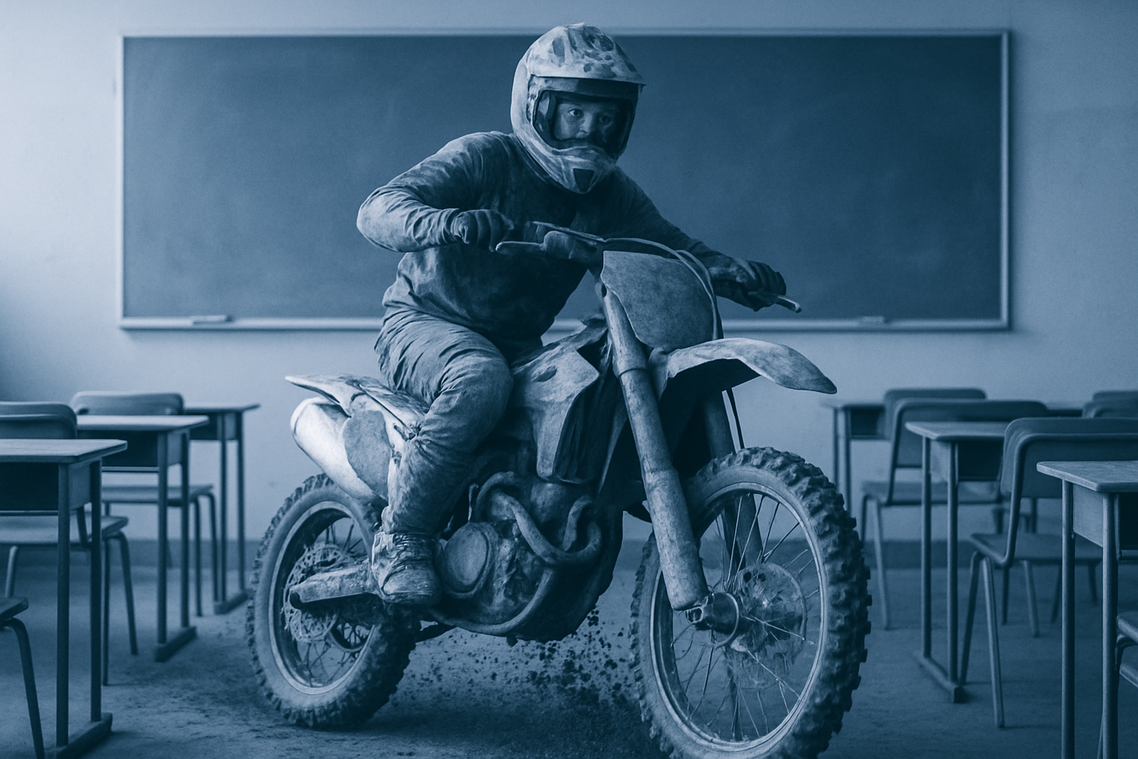
I’ll never forget my third race.
I showed up feeling confident. Bike looked good. Gear was on. I thought I was ready.
Then my front brake lever snapped on the second lap because I’d overtightened it the night before. Race over. Just like that.
Now some riders will tell you that you’re overthinking things if you spend too much time on prep. They say real racers just show up and ride. That all this checklist stuff is for beginners who don’t trust their instincts.
Here’s what I learned that day though.
Your instincts don’t mean much when you’re sitting in the dirt watching everyone else finish. Proper prep isn’t about being scared. It’s about respecting the track and your own safety.
I’ve been racing with FMBOffroad for years now and I can tell you this. The riders who finish are the ones who check their bikes before they load them.
Let me walk you through what actually matters.
Your Safety Gear Isn’t Optional
You need a certified helmet. DOT or SNELL rated. Not the one your buddy says is fine because it looks cool.
Get quality goggles that actually seal. Motocross-specific boots that protect your ankles. Gloves with good grip. Knee guards or braces (your knees will thank you later). And a chest protector.
This stuff isn’t negotiable. I don’t care how hot it is or how short the race is.
The Bike Check That Matters
Before every race, I do the same routine. Change the engine oil. Clean the air filter. These two things alone will save you from most mechanical failures.
Check your tire pressure. A soft tire can cost you seconds per lap or worse, give you a sketchy feel in corners.
Lube your chain and make sure the tension is right. Then go through and tighten the bolts that matter. Axles, triple clamps, engine mounts.
Takes maybe 30 minutes. Saves you from a DNF.
What to Bring on Race Day
Pack a portable stand. You’ll use it more than you think.
Bring a gas can with fresh fuel. Not the stuff that’s been sitting in your garage since last season.
Your basic tool kit should have T-handles and wrenches. Throw in spare levers and spare inner tubes because you never know.
And here’s the thing nobody tells you in any dirt bike guide fmboffroad puts out. Zip ties and duct tape will fix about 80% of trackside problems. Bring plenty.
The riders who finish races aren’t always the fastest. They’re the ones who showed up prepared.
Navigating Race Day: From Arrival to the Checkered Flag
Your first race day hits different.
I remember showing up to my first event at 6 AM thinking I was early. Half the parking lot was already full (turns out racers take “arrive early” seriously).
You’re going to feel a bit lost. That’s normal.
Let me walk you through what actually happens so you’re not scrambling around trying to figure it out while everyone else is warming up.
Morning Routine
Get there at least two hours before your scheduled practice time. I’m serious about this. You need time to find parking, which becomes your pit area for the day, and get through registration.
Bring your entry forms and payment. Cash usually works best since some tracks still run old school.
Most events run a quick tech inspection. They’re checking that your bike is safe to ride. Nothing intense, but make sure your chain isn’t hanging off and your throttle actually snaps back.
Practice Laps
This is not the time to be a hero.
Back in my early days, I watched a guy try to set lap records during practice. He went down hard in the second turn and spent his actual race in the medical tent.
Use practice to learn the track. Find the big jumps, the sketchy corners, and where the dirt gets loose. Look for smooth lines that other riders are taking.
Warm up your body and your bike. Get comfortable with the rhythm.
Staging and the Gate Drop
About fifteen minutes before your moto, they’ll call you to staging. This is where things get real.
You’ll roll up to the starting gate and pick your spot. Gate position matters more than you think. A good start in motocross fmboffroad can put you ahead of riders who are technically faster but get stuck in traffic.
Focus on your technique. Watch the gate. Listen for the cadence of the starting sequence.
During the Moto
Breathe.
I know your heart is pounding and you want to pin it from the first turn. But smart riding beats fast riding when you’re starting out.
Stay consistent. Don’t try moves you haven’t practiced. Pay attention to the flaggers stationed around the track because they’re signaling when someone’s down or there’s debris in your line.
The fmboffroad dirt bike guide from formotorbikes covers more race prep details if you want to dig deeper.
After your first moto? You’ll be exhausted and probably wondering what just happened.
That’s racing. It gets easier every time.
Your Journey to the Finish Line
You came here wondering how to enter your first motocross race.
Now you have the complete playbook. You know how to find an event, what gear you need, and how to prepare yourself mentally and physically.
The fear of the unknown stops most people before they even start. That’s the real barrier between you and the gate.
But you’re different. You’ve done the research and you understand what it takes.
Preparation and safety aren’t just checkboxes. They’re what separate a confident racer from someone who shows up unprepared and overwhelmed.
Here’s what you need to do: Find a local race in your area. Get your gear sorted and your bike ready. Show up early on race day and soak it all in.
The track is waiting for you.
That first gate drop will hit different than anything you’ve experienced in practice. Your heart will pound and your focus will sharpen.
Use this guide to take that next step. The motocross community wants to see new riders out there pushing themselves.
Stop thinking about it and start doing it.
 Founder & Chief Adventure Director
Tynovox Ridge is the visionary founder behind FMBOffroad.com, a platform built for riders who crave adrenaline, exploration, and the freedom of off-road culture. With years of experience in motorcycle adventures and trail discovery, he created the brand to connect enthusiasts with authentic riding experiences and industry insights. Tynovox is known for his fearless mindset, leadership in outdoor motorsports, and passion for pushing boundaries beyond the pavement. His hands-on approach keeps the company closely connected to the off-road community and evolving riding trends. From coordinating adventure campaigns to guiding the brand’s creative direction, he continues to shape FMBOffroad.com into a trusted destination for riders worldwide. His dedication to adventure culture inspires both seasoned riders and newcomers alike.
Founder & Chief Adventure Director
Tynovox Ridge is the visionary founder behind FMBOffroad.com, a platform built for riders who crave adrenaline, exploration, and the freedom of off-road culture. With years of experience in motorcycle adventures and trail discovery, he created the brand to connect enthusiasts with authentic riding experiences and industry insights. Tynovox is known for his fearless mindset, leadership in outdoor motorsports, and passion for pushing boundaries beyond the pavement. His hands-on approach keeps the company closely connected to the off-road community and evolving riding trends. From coordinating adventure campaigns to guiding the brand’s creative direction, he continues to shape FMBOffroad.com into a trusted destination for riders worldwide. His dedication to adventure culture inspires both seasoned riders and newcomers alike.