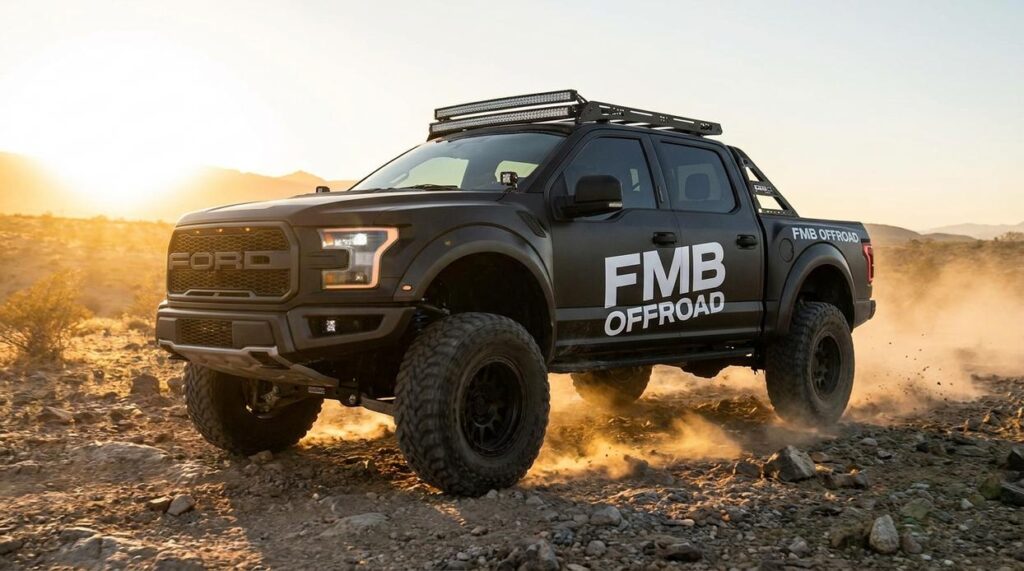
I remember the first time I took my stock truck onto a real trail.
I thought I knew what off-roading was. Turns out I didn’t know anything.
You’re probably in that same spot right now. You’ve done some light trails and maybe a few fire roads. But you know your rig can handle more. You want to push further and tackle terrain that actually challenges you.
The problem is figuring out where to go next. What mods matter and which ones are just expensive distractions? How do you find trails that match your skill level? And where are all the people who actually live this lifestyle?
I’ve spent years learning this stuff the hard way. I’ve made expensive mistakes on builds that didn’t work. I’ve gotten stuck in places I shouldn’t have been. And I’ve slowly figured out what separates weekend warriors from true off-road fanatics.
fmboffroad exists because I wanted to share what actually works on the trail.
This guide will show you how to build a capable rig without wasting money. You’ll learn the unwritten rules that keep everyone safe out there. And I’ll point you toward the communities where you’ll find people who get it.
No fluff about the romance of the outdoors. Just practical knowledge that turns you into someone who can handle serious terrain with confidence.
The Fanatic’s Mindset: It’s More Than Just a Vehicle
Some folks see a 4×4 and think it’s just transportation with bigger tires.
They’re missing the whole point.
I’m not talking about the guy who buys a lifted truck to look tough at the mall. I mean the people who actually use their rigs. The ones with dirt caked in places you can’t reach and tools that live in the bed year-round.
There’s a real difference between owning off-road equipment and living the lifestyle.
Now, plenty of people will tell you this whole thing is overblown. That it’s just a hobby like any other. Why get so serious about a vehicle when you could just rent one for the weekend or join a guided tour?
Fair question.
But here’s what they don’t get. This isn’t about the destination. It’s about knowing you can handle whatever comes up when you’re 50 miles from pavement and something breaks.
The Work Is Part of the Reward
The passion starts in your garage, not on the trail.
I spend hours under my rig. Checking bolts. Upgrading suspension. Learning how every system works together. Because when something fails in the backcountry, AAA isn’t coming to help.
That mechanical knowledge? It’s what separates weekend warriors from real enthusiasts. You need to understand your vehicle like you understand your own limits.
Then comes the payoff. The trails that most people will never see. The campsites with no cell service and no crowds.
FMBOffroad gets this. It’s about self-reliance first, adventure second.
When you’re navigating a rocky descent or fixing a fuel line with zip ties and hope, you’re solving problems in real time. No manual. No YouTube tutorial loading on your phone.
Just you and the machine you built.
That’s the mindset. Everything else is just driving.
Level Up Your Rig: The Holy Trinity of Off-Road Mods
You’ll hear a lot of people say you need a laundry list of upgrades before you hit the trails.
I’m going to save you some money right now.
You don’t.
What you need are three things done right. Not ten things done halfway. Because I’ve seen rigs with $20,000 in mods get stuck in places where a bone-stock truck with the right setup would sail through.
Here’s what actually matters.
Tires: Your First and Most Important Upgrade
Start here. Always.
Your tires are the only thing touching the ground. Everything else is just along for the ride (and yes, that includes your expensive lift kit).
All-Terrain tires give you the best of both worlds. They handle pavement without sounding like a helicopter and still grip when things get loose. I run A/Ts on my daily driver because they work for weekend trips without destroying my gas mileage.
Mud-Terrain tires are different animals. Bigger lugs, wider spacing, and they’ll claw through stuff that would stop an A/T cold. But you pay for it. They’re louder, they wear faster on asphalt, and your fuel economy takes a hit.
Now here’s what most articles won’t tell you.
Size matters less than you think. A 33-inch tire on proper suspension will outperform a 35-inch tire on worn-out shocks every single time. And load rating? That’s not just for trucks hauling gravel. Get it wrong and you’re asking for a blowout miles from cell service.
Pro tip: Drop your tire pressure on the trail. I run 15-18 PSI in sand and it’s like switching from sneakers to snowshoes. Just don’t forget to air back up before you hit pavement.
Suspension: The Key to Capability and Comfort
Good suspension does two things that matter.
It gives you clearance so you don’t high-center on rocks. And it gives you articulation so your tires stay planted when the ground gets weird.
The fmboffroad community will tell you the same thing I’m about to. Shocks are where you spend your money first. Quality shocks absorb hits without bouncing you into the roof and they keep your tires connected to the ground.
Springs come next. They support the weight and set your ride height. But here’s the gap nobody talks about: your springs need to match your actual load. Running heavy-duty springs on a light rig gives you a harsh ride for no reason.
Control arms matter when you’re lifting more than a couple inches. Stock arms at extreme angles bind up and kill your articulation. Adjustable arms let you correct your geometry and actually use that lift you paid for.
Most people think bigger is better. What you really want is balanced. A 2.5-inch lift with quality components beats a 6-inch budget lift every day of the week.
Recovery Gear: The Gear You Hope You Never Need
Let me be straight with you.
You’re going to get stuck. Everyone does. The question is whether you can get yourself out or if you’re calling for a tow truck.
Recovery points are first. Factory tow hooks aren’t rated for recovery loads and I’ve seen them rip clean off. Get proper rated points welded or bolted to your frame.
Snatch straps store kinetic energy and they’ll yank you out when a static pull won’t budge you. But use them wrong and you’ve got a missile that can go through a windshield. Always use a damper and never hook to a ball mount.
A winch is your get-out-of-jail card when there’s no other vehicle around. Mount it properly with a good fairlead and practice before you need it in the dark.
Traction boards work when you’re just spinning in sand or mud. Maxtrax are the gold standard but there are cheaper options that’ll do the job.
Here’s what competitors miss entirely: knowing how to use this stuff matters more than owning it. I’ve watched people with $3,000 in recovery gear sit there helpless because they never practiced. Spend an afternoon in an empty lot learning your equipment. Your future self will thank you.
Trail Etiquette and Safety: The Unwritten Rules
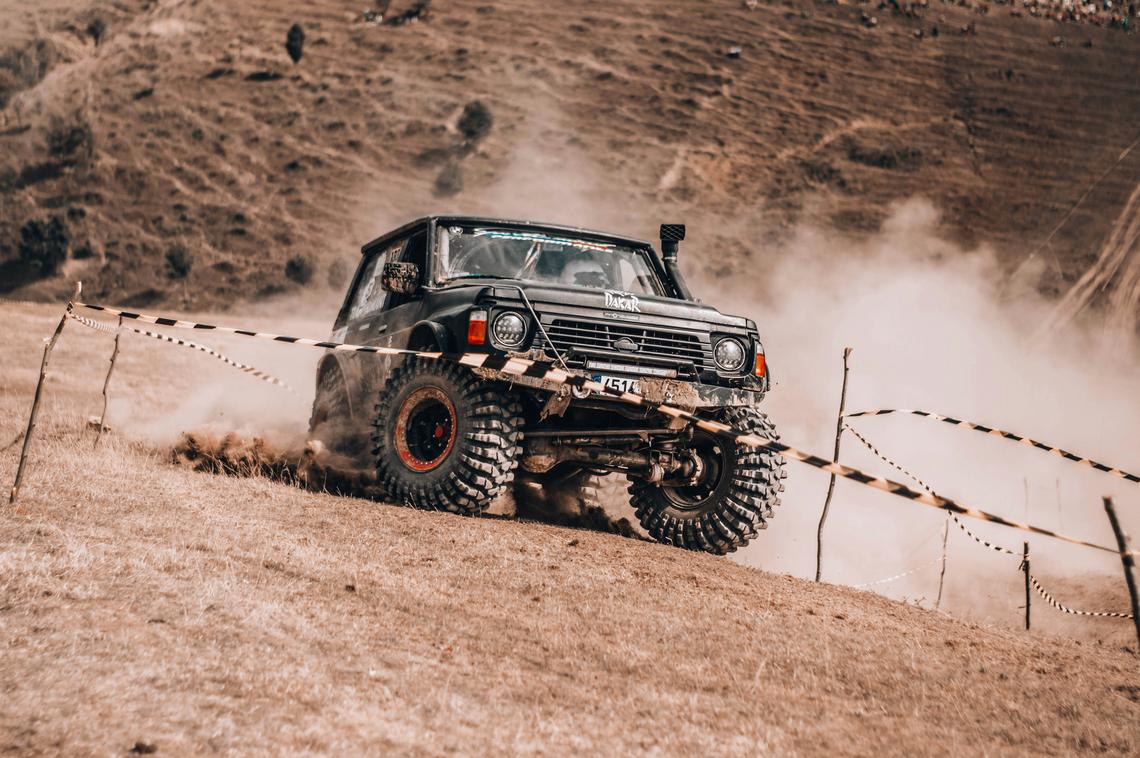
You can have the best rig on the planet.
But if you don’t know how to act on the trail, you’re going to make enemies fast.
I see it all the time. Guys roll up with $50,000 builds and zero respect for the land or other riders. They cut new lines around obstacles, ignore closures, and wonder why trails keep getting shut down.
Here’s what most trail guides won’t tell you.
The rules aren’t just about being polite. They’re about keeping trails open for everyone. When you mess up out there, it doesn’t just affect you. It affects every single person who wants to ride that trail next month.
Some people argue that public land means they can do whatever they want. That if they paid their registration fees, they’ve earned the right to go anywhere. I’ve heard this argument more times than I can count.
But that thinking is exactly why we lose access.
Land managers don’t close trails because they hate off-roaders. They close them because people prove they can’t be trusted. One idiot cutting switchbacks or riding through a closure creates erosion that takes years to fix (and gives them all the justification they need).
Let me show you what actually works.
Tread Lightly isn’t optional. Stay on marked routes. Pack out everything you bring in. If you see trash, grab it even if it’s not yours. I’ve pulled out beer cans, broken tie rods, and even a full bumper that someone just left.
The trail should look better after you leave.
Right of way is simple. Uphill traffic goes first. They’re working harder and losing momentum hurts them more. If you’re heading down and see someone climbing, find a wide spot and pull over. Flash your lights or wave so they know you see them.
Never wheel alone. This isn’t about having fun with friends. It’s about survival. I know a guy who broke an axle in the fmboffroad dirt bike guide from formotorbikes territory, miles from cell service. His buddy had to ride out for help. Alone? He’d still be there.
A spotter isn’t just nice to have. When you’re crawling over rocks you can’t see from the driver’s seat, that person outside is the difference between a clean line and a cracked oil pan.
Check your rig before you go. Every single time. Fluids, tire pressure, recovery straps. I keep a laminated checklist on my visor because I’ve learned the hard way that assumptions get expensive.
Pro tip: Check your tire pressure after you air down but before you hit the trail. You want to catch a slow leak in the parking area, not three miles in.
The unwritten rules exist for a reason. Follow them and you’ll be welcome anywhere. Ignore them and you’ll find yourself riding alone.
Finding Your Tribe: Connecting with the Off-Road Community
You can build the sickest rig in your garage.
But if you’re wheeling alone every weekend, you’re missing half the experience.
I learned this the hard way. Spent months perfecting my suspension setup and armor. Hit the trails solo. And yeah, it was fun for a while.
Then I got stuck in a wash with no cell service and nobody around for miles.
Some people say the off-road community is cliqued up and hard to break into. They think you need the perfect build or years of experience before anyone takes you seriously.
That’s not what I’ve seen at all.
Where to Start Looking
Local clubs are your best bet if you want real access. I’m talking private trails that never show up on any app. Group runs where someone actually knows the route. And people who’ve been wrenching on rigs since before you were born.
Most clubs around fmboffroad territory run monthly meetups. You show up, introduce yourself, and that’s pretty much it.
Online forums work differently. They’re better for the technical stuff. Got a weird noise coming from your transfer case? Post it in a vehicle-specific forum and you’ll have three possible diagnoses within an hour.
Social media groups move faster but the quality varies. Good for buying used parts though (just watch out for the usual scammers).
Then there are the big events.
Local meet and greets happen in parking lots. Nothing fancy. Just people showing off their builds and talking shop.
Major expos are different. Vendors everywhere. New products you didn’t know existed. And builds that’ll make you rethink your entire setup.
The point isn’t to copy what everyone else does.
It’s to find your people and learn what actually works out there.
Embrace the Lifestyle
You now have the foundational knowledge to confidently upgrade your vehicle, navigate trails responsibly, and connect with the wider off-road world.
The gap between casual weekend trips and true off-road adventuring can feel wide. You see the capable rigs on Instagram and wonder how they got there.
Here’s the truth: You bridge that gap through smart modifications, safe practices, and community involvement. That’s what unlocks a new level of enjoyment and capability.
Start with one upgrade. Practice with a friend who knows the terrain. Find a local group that runs trails near you.
fmboffroad gives you the information you need to make informed decisions about your build and your adventures.
The trail is waiting for you. Your next move is to get out there and use what you’ve learned.
 Founder & Chief Adventure Director
Tynovox Ridge is the visionary founder behind FMBOffroad.com, a platform built for riders who crave adrenaline, exploration, and the freedom of off-road culture. With years of experience in motorcycle adventures and trail discovery, he created the brand to connect enthusiasts with authentic riding experiences and industry insights. Tynovox is known for his fearless mindset, leadership in outdoor motorsports, and passion for pushing boundaries beyond the pavement. His hands-on approach keeps the company closely connected to the off-road community and evolving riding trends. From coordinating adventure campaigns to guiding the brand’s creative direction, he continues to shape FMBOffroad.com into a trusted destination for riders worldwide. His dedication to adventure culture inspires both seasoned riders and newcomers alike.
Founder & Chief Adventure Director
Tynovox Ridge is the visionary founder behind FMBOffroad.com, a platform built for riders who crave adrenaline, exploration, and the freedom of off-road culture. With years of experience in motorcycle adventures and trail discovery, he created the brand to connect enthusiasts with authentic riding experiences and industry insights. Tynovox is known for his fearless mindset, leadership in outdoor motorsports, and passion for pushing boundaries beyond the pavement. His hands-on approach keeps the company closely connected to the off-road community and evolving riding trends. From coordinating adventure campaigns to guiding the brand’s creative direction, he continues to shape FMBOffroad.com into a trusted destination for riders worldwide. His dedication to adventure culture inspires both seasoned riders and newcomers alike.