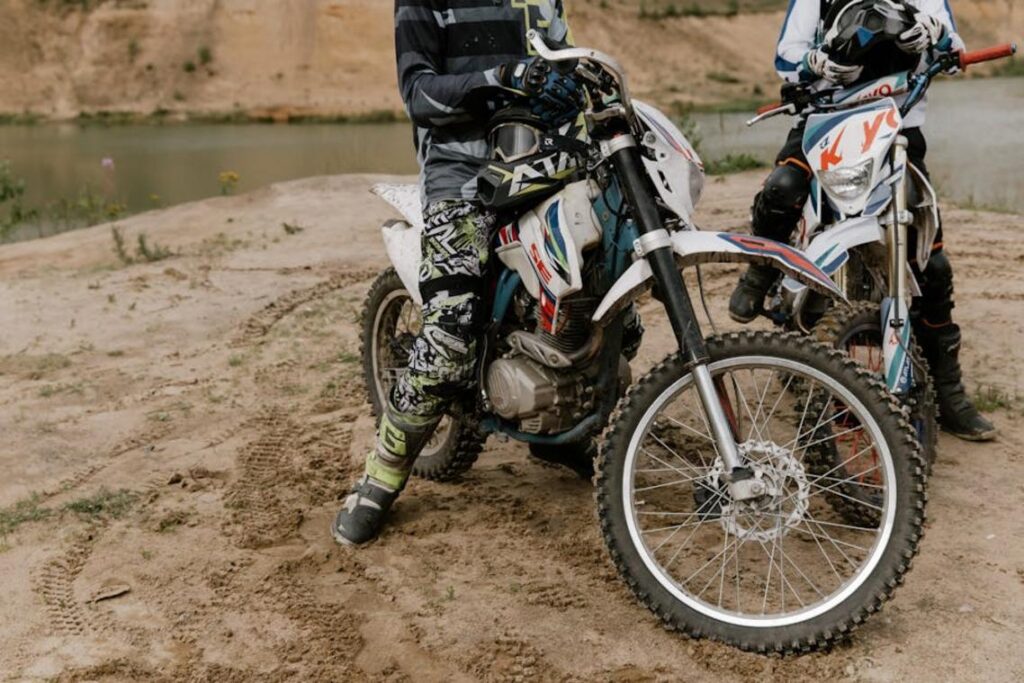
I’ve spent years riding trails that would make most people turn around.
You’re probably here because you want straight answers about dirt biking without wading through forum arguments and outdated blog posts. I get it. Finding good information is harder than it should be.
Here’s the reality: dirt biking requires knowledge. The right bike matters. So does gear that actually protects you. And knowing how to maintain your machine keeps you on the trail instead of stuck on the side of it.
FMBOffroad exists to give you that knowledge in one place.
This guide covers what you need to know. I’ll walk you through choosing bikes, picking gear that works, keeping your ride running, and improving your skills on the trail.
No fluff. No sales pitches for products I don’t believe in.
Whether you’re buying your first bike or you’ve been riding for years, you’ll find something here that helps you ride better and safer. That’s the point.
Let’s get into it.
How to Choose the Right Dirt Bike for You
I remember walking into my first dealership thinking I knew exactly what I wanted.
A big bike. Fast. Something that looked mean.
The salesman just smiled and asked me one question: “What are you actually going to ride?”
I had no idea what he meant. A dirt bike is a dirt bike, right?
Wrong.
Here’s what I wish someone had told me back then. The bike you choose depends entirely on where you’re riding and what you want to do. Not what looks cool in your garage.
Some riders say it doesn’t matter much. They claim you can take any dirt bike anywhere and figure it out. Just get something cheap and learn on whatever you can afford.
And look, I get that thinking. When you’re starting out, spending big money feels risky.
But I’ve watched too many people buy the wrong bike and quit riding within months. The bike was too tall, too heavy, or built for a completely different type of riding. They got frustrated and gave up.
Understanding the Main Types
Motocross bikes are built for tracks. Short bursts of speed, big jumps, and tight turns. If you’re planning to race or hit an MX track regularly, these make sense.
Enduro bikes handle longer rides through woods and trails. They’re tougher and can take more abuse over varied terrain.
Trail bikes? These are your weekend warriors. Easier to ride, more forgiving, and perfect for exploring.
Dual sport bikes let you ride on streets and dirt. Great if you want one bike that does both (though they don’t excel at either).
I started on a trail bike. Best decision I made because I could actually learn without fighting the machine.
Engine Decisions: 2-Stroke vs. 4-Stroke
This debate never ends.
2-strokes are lighter and punch hard. The power hits fast, which feels exciting but can be tricky for beginners. They need more frequent maintenance but the work is simpler.
4-strokes deliver smoother power. You can control them easier, which helps when you’re learning throttle control. They’re heavier and cost more to maintain when something breaks.
I rode both. My first bike was a 4-stroke and I’m glad because it didn’t try to kill me every time I twisted the throttle.
Matching Bike to Rider
Seat height matters more than you think.
If you can’t touch the ground with at least one foot, you’re going to drop that bike. A lot. Ask me how I know.
Your weight plays into this too. A 250cc bike feels different under a 150-pound rider versus someone who weighs 220.
Experience level is obvious but people ignore it anyway. I’ve seen guys buy 450s as their first bike because they didn’t want to “outgrow” a smaller one. Most of them never got comfortable enough to actually ride well.
Start smaller than you think you need. You can always move up.
Budgeting: New vs. Used
New bikes from fmboffroad come with warranties and zero surprises. You know the history because there isn’t one yet.
But they’re expensive.
Used bikes save you money upfront. The previous owner already took the depreciation hit. But you’re also buying their problems unless you know what to look for.
I bought used my first time. Saved about $3,000 but spent half of that fixing things the seller “forgot” to mention.
If you go used, bring someone who knows bikes. Check for bent frames, worn sprockets, and how the engine sounds when it’s cold.
Your first bike doesn’t need to be perfect. It just needs to match what you’re actually going to do with it.
Gearing Up: Non-Negotiable Safety and Performance Essentials
You can’t ride what you can’t survive.
I see riders all the time who drop thousands on their bike but skimp on gear. They figure a basic helmet and some gloves will do the trick.
Then they eat dirt. Hard.
Some people argue that all this protective gear is overkill. They say riders have been hitting trails for decades without neck braces and body armor. Why spend the money now?
Here’s what that thinking misses.
The data tells a different story. According to the Motorcycle Safety Foundation, proper protective gear reduces injury severity by up to 37% in off-road crashes. That’s not a small number when you’re talking about broken bones or worse.
Let me walk you through what actually matters.
Your helmet is everything. I’m talking DOT or Snell certified, nothing less. A study from the Journal of Trauma found that helmets reduce the risk of head injury by 69%. (Your brain doesn’t grow back, by the way.)
Goggles need to fit your helmet. Not just sit on your face. Boots should cover your ankles and have proper shin protection. I’ve seen too many ankle injuries from riders wearing regular work boots.
Gloves? They’re not just for grip. They protect your hands when you instinctively throw them out during a fall.
Full body protection isn’t optional anymore. Chest protectors absorb impact from handlebars and rocks. Riding jerseys and pants are built with abrasion-resistant materials that regular clothes just don’t have. Knee and elbow guards prevent the joint injuries that’ll keep you off motocross bikes fmboffroad for months.
Neck braces have become standard for serious riders. They limit extreme head movement during crashes. Body armor systems now use materials originally developed for motorcycle racing.
But here’s the catch nobody talks about.
Fit matters more than brand. Gear that doesn’t fit right won’t protect you. It’ll shift during a crash or restrict your movement so much you can’t ride properly. I always tell people to try everything on. Move around. Sit in riding position.
Your gear should feel like a second skin when you’re on dirt bikes fmboffroad, not a straightjacket.
Essential Maintenance Every Rider Must Know
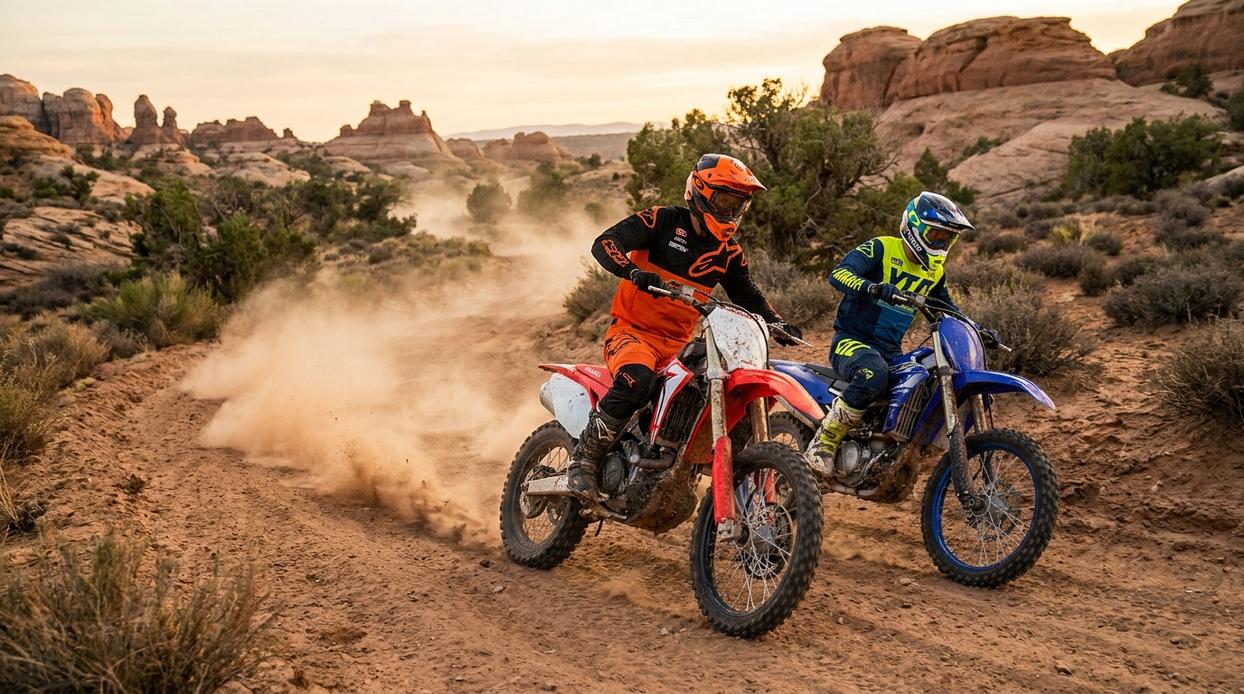
I’ll be honest with you.
Most riders hate maintenance. They just want to ride.
I hear it all the time. “Why can’t I just gas up and go?” or “My buddy never checks anything and his bike runs fine.”
And sure, you might get away with it for a while. Some people do. They skip the pre-ride checks and nothing bad happens. They ride hard and put their bike away dirty. Maybe they get lucky for a season or two.
But here’s what they don’t tell you.
That approach works until it doesn’t. And when it fails, you’re either stranded on the trail or staring at a repair bill that could’ve bought you new gear.
I’ve been riding long enough to know that basic maintenance isn’t about being paranoid. It’s about keeping your bike ready when you are.
Before every ride, I run through a quick checklist. Takes maybe five minutes. I check tire pressure because low pressure kills traction and can pinch a tube. I look at chain tension (too loose and it’ll slap, too tight and it’ll bind). I glance at fluid levels and make sure my controls feel right.
Nothing fancy. Just the stuff that matters.
After you ride, clean your bike. I know you’re tired. I know it’s not fun. But dirt holds moisture and moisture causes corrosion. Plus, when you’re cleaning, you spot things. A loose bolt. A torn boot. A leak you wouldn’t have noticed otherwise.
Your air filter needs attention more than anything else. Dirt gets past a clogged filter and your engine pays the price. I clean and oil mine based on conditions, not just hours. Dusty day? It gets cleaned that night.
(This is covered in detail in our dirt bike guide fmboffroad.)
Oil changes aren’t complicated. You don’t need to be a mechanic. Fresh oil keeps things running smooth and lets you check for metal shavings or other warning signs. Same goes for coolant and brake fluid. Check them. Know what they should look like.
Some riders say this is overkill for weekend warriors. That you only need to worry if you’re racing or putting on serious miles.
But think about it this way. Would you rather spend 20 minutes maintaining your bike or three hours fixing something that broke because you didn’t?
Your dirt bikes fmboffroad experience gets better when your machine is dialed in. Not perfect. Just maintained.
That’s the difference between riding and wrenching.
Fundamental Riding Techniques to Build Your Skillset
You know that scene in The Karate Kid where Mr. Miyagi makes Daniel wax cars for weeks?
That’s basically what learning proper body position feels like at first.
You’re out there thinking about where your knees go, how your elbows bend, whether you’re sitting or standing. It feels like too much to track at once.
But here’s what happens once it clicks.
Your body starts moving without you telling it to. You shift your weight forward on climbs. You lean back on descents. Your bike feels lighter, more responsive.
Some riders say you should just send it and figure things out as you go. That technique is overrated and instinct is what really matters.
I hear this a lot from guys who’ve been riding the same trails for twenty years.
And sure, seat time counts for something. But riding with bad habits for two decades doesn’t make you good. It just makes your bad habits really consistent.
The truth is simpler than that.
Good technique at dirt bikes fmboffroad gives you options. When the trail gets sketchy, you have the skills to adapt instead of just hoping for the best.
Start with throttle and clutch control. Practice feeding power smoothly on loose dirt until you can feel the rear tire hooking up. It’s not about being aggressive. It’s about being precise (which honestly takes more patience than most people expect).
Then there’s braking. Your front brake has about 70% of your stopping power, but panic grab it and you’re eating dirt. Learn to use both brakes independently first, then together.
But the biggest game changer?
Vision. Look where you want to go, not at the rock you’re trying to miss. Your bike follows your eyes. Always has, always will.
Your Journey into Off-Road Riding Starts Now
You now have what you need to get started.
The four pillars are clear: picking the right bike, gearing up properly, keeping your machine running, and mastering the basics of riding. That’s your foundation.
I know how frustrating it is to jump between sites trying to piece together reliable information. You don’t have to do that anymore. Everything you need is here.
This knowledge changes how you ride. You’ll be safer out there. More confident when the trail gets rough. More capable when it counts.
Here’s what to do next: Use this guide as your starting point. Get out there and practice what you’ve learned. When you’re ready to level up, come back and explore our articles on advanced techniques and detailed dirt bikes fmboffroad reviews.
The trail is waiting. You’re ready for it.
 Founder & Chief Adventure Director
Tynovox Ridge is the visionary founder behind FMBOffroad.com, a platform built for riders who crave adrenaline, exploration, and the freedom of off-road culture. With years of experience in motorcycle adventures and trail discovery, he created the brand to connect enthusiasts with authentic riding experiences and industry insights. Tynovox is known for his fearless mindset, leadership in outdoor motorsports, and passion for pushing boundaries beyond the pavement. His hands-on approach keeps the company closely connected to the off-road community and evolving riding trends. From coordinating adventure campaigns to guiding the brand’s creative direction, he continues to shape FMBOffroad.com into a trusted destination for riders worldwide. His dedication to adventure culture inspires both seasoned riders and newcomers alike.
Founder & Chief Adventure Director
Tynovox Ridge is the visionary founder behind FMBOffroad.com, a platform built for riders who crave adrenaline, exploration, and the freedom of off-road culture. With years of experience in motorcycle adventures and trail discovery, he created the brand to connect enthusiasts with authentic riding experiences and industry insights. Tynovox is known for his fearless mindset, leadership in outdoor motorsports, and passion for pushing boundaries beyond the pavement. His hands-on approach keeps the company closely connected to the off-road community and evolving riding trends. From coordinating adventure campaigns to guiding the brand’s creative direction, he continues to shape FMBOffroad.com into a trusted destination for riders worldwide. His dedication to adventure culture inspires both seasoned riders and newcomers alike.