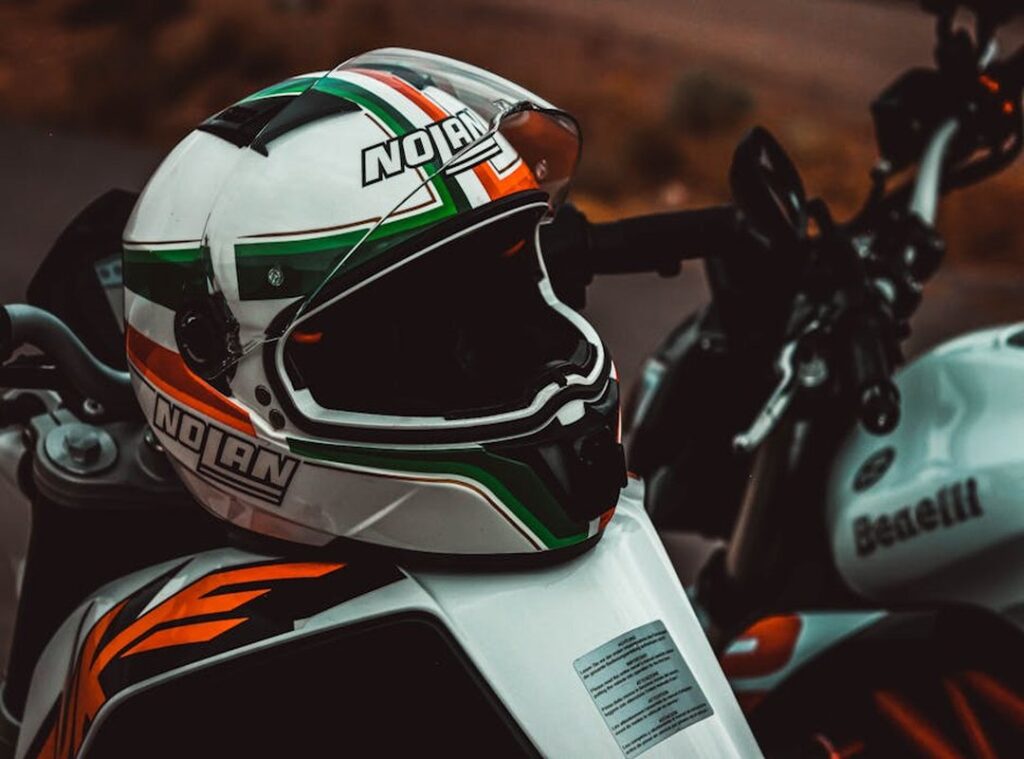
I’ve dropped helmets. I’ve bought the wrong one twice. Both times, I thought size was just about circumference.
It’s not.
Choosing a helmet feels like guessing in the dark. You stare at shelves full of shells. You read labels that say “DOT approved” but don’t know what that means.
You try one on and wonder: Is this tight enough? Or too tight?
You ask yourself: What if it’s safe but gives me a headache after 20 minutes?
A helmet isn’t gear. It’s your only barrier between asphalt and skull. That’s non-negotiable.
This isn’t fluff. It’s the Motorbike Helmet Guideline Fmbmotogear. Plain talk, no jargon.
We cover fit (how to test it, not just measure it). We break down safety standards (not just which letters are stamped on the back). We match helmet types to real riding.
Not marketing slogans.
You want confidence before you buckle up. Not confusion. Not compromise.
By the end, you’ll know exactly what to look for. And why each detail matters. No guesswork.
Just clarity.
Your Helmet Isn’t Just Gear. It’s Your Skull’s Bodyguard
I’ve seen what happens when it fails. Not pretty. Not fixable.
Helmets save lives. Full stop. They stop skulls from cracking.
They slow brain trauma. You don’t get a second chance with head impact.
Look for real certifications. Not just shiny stickers. DOT is the bare legal minimum in the US.
(It’s weak. Don’t settle.)
ECE is stricter. Used across Europe.
More tests. Better margins. Snell?
Built for racetracks. Hits harder, tests longer, demands more.
All three test three things:
How well the shell absorbs impact. If sharp objects can poke through. Whether the strap holds when your head yanks sideways.
No certification? Walk away. Fast.
You wouldn’t ride with bald tires. So why wear an untested helmet? The Motorbike Helmet Guideline Fmbmotogear spells this out clearly. learn more.
Real helmets feel solid. Not light and hollow. They smell like foam and glue.
Not plastic fumes. They press evenly. No hot spots.
No gaps behind your ears.
If it wobbles on your head, it fails before it even hits the ground. If it straps loose after five minutes, it’s useless. If you can’t find DOT, ECE, or Snell stamped inside, assume it’s costume jewelry.
Your head doesn’t negotiate. Neither should you.
Fit Beats Flash Every Time
I tried three helmets last week. One looked like a spaceship. Two fit like garbage bags.
The third? Snug. Quiet.
Right.
Fit matters more than color or vents or how cool it looks on Instagram.
A helmet should hug your head. Not squeeze. Not slide.
Just hold on.
You measure your head with a soft tape. Wrap it around the widest part. Usually just above your eyebrows and ears.
Write that number down. (Yes, really.)
Then try the helmet on. It should press evenly all the way around. No hot spots behind your ears.
No ache across your forehead.
Shake your head side to side. Up and down. If the shell moves but your skin stays still (you’re) wearing the wrong size.
Cheek pads should touch (but) not crush. Your cheeks. You should be able to talk without jaw fatigue.
An ill-fitting helmet won’t protect you in a crash. It’ll shift. It’ll lift.
It’ll fail.
And it’ll suck to wear for more than ten minutes.
Too tight gives you headaches. Too loose gives you noise, wind, and panic.
I’ve worn both. Neither is worth it.
The Motorbike Helmet Guideline Fmbmotogear says the same thing: fit first, everything else second.
If it doesn’t feel right standing still (it) won’t save you moving fast.
Try it. Test it. Walk around the store.
Then ride.
You’ll know.
Helmets Aren’t One-Size-Fits-All

I crashed my first bike at 32 mph. Wore a half-shell. Walked away with a concussion and a broken collarbone.
That’s why I never touch anything less than full-face now.
Full-face helmets cover your whole head. Chin bar stays put. Best protection, period.
They’re heavy sometimes, but I’d rather sweat than bleed.
Modular helmets flip up. Great for coffee stops or talking to people without yanking it off. But the hinge adds weight (and failure points).
I dropped one on concrete once. The latch bent. It still clicked shut.
I didn’t trust it after that.
Open-face helmets? Fine for scooters in town. Zero chin protection.
If you hit pavement wrong, your teeth meet asphalt first. Not worth it unless you ride under 25 mph and never lean.
Off-road helmets have big vents and a visor. No face shield. You wear goggles.
I used one on a desert trail ride. Dust got everywhere. Goggles fogged.
Helmet felt like a toaster oven.
Ventilation matters. So does weight. So does whether it fits your jawline, not just your skull.
You want comfort. You want safety. You want something that doesn’t make you itch after ten minutes.
Motorbike Helmet Guideline Fmbmotogear says: match the helmet to your actual ride. Not your Instagram feed.
Are Motobike Gloves Strong Fmbmotogear (same) idea. Gear only works if it’s built for what you do.
Don’t guess. Try it on. Ride it.
Then decide.
What Actually Makes a Helmet Stand Out
I’ve worn helmets that fog up before I even leave the driveway.
You know the ones.
Ventilation isn’t just about staying cool. It’s about not wiping your visor every five minutes while riding. Bad airflow means sweat, fog, and distraction.
UV exposure wears things out. A good visor swaps fast and stays clear.
Visor quality matters more than you think. Scratches happen. Fog happens.
Removable lining? Non-negotiable. Sweat, hair products, and road grime build up.
Wash it or wear it (your) call.
Lighter weight saves your neck on long rides. I felt it after three hours on the highway. Heavy helmets make your head ache.
Plain and simple.
Wind noise adds up. Some helmets hum. Others scream.
You’ll notice the difference in ten minutes.
Intercom compatibility isn’t optional if you ride with others. Clunky mounts break visors. Poor cutouts muffle sound.
Check the fit before you buy.
These aren’t nice-to-haves. They’re why one helmet feels right and another feels like a compromise. That’s the real Motorbike Helmet Guideline Fmbmotogear.
Want the same level of detail for gear that touches your feet?
Check out How to Choose Motorcycle Boots Fmbmotogear.
Your Helmet Choice Ends Here
I’ve stood in that helmet shop. Stared at rows of shiny shells. Felt the panic when nothing fits right.
You’re not overthinking it. The choices are overwhelming.
Safety isn’t optional. It’s non-negotiable. If it doesn’t meet DOT or ECE standards, walk away.
No exceptions.
Fit is everything. A helmet that pinches, slides, or gives you a headache? It’s useless.
Try it on. Shake your head. Nod hard.
If it moves, it’s wrong.
You ride dirt, street, or dual-sport? Match the helmet to that. Not to what looks cool online.
Ventilation, weight, noise (those) matter after safety and fit.
This isn’t about spending more. It’s about spending right. A good helmet stays with you.
Protects you. Lets you focus on the ride (not) the worry.
You came here because you needed clear, no-bullshit direction.
You got it.
Now grab your keys. Go to a shop. Try on five helmets.
Walk out with one that feels like it belongs on your head.
Use the Motorbike Helmet Guideline Fmbmotogear while you’re there. It’s your checklist. Your reset button.
Your quiet confidence before the first mile.
Do it today. Not tomorrow. Not after “one more look.”
Your head is worth the time.
 Trail Content & Community Manager
Auritha Wolfquell oversees the storytelling and community engagement side of FMBOffroad.com, bringing every adventure to life through compelling content and rider-focused communication. She specializes in creating informative articles, trail features, and lifestyle content that resonates with off-road enthusiasts. Her creative vision helps strengthen the connection between the brand and its growing audience of motorcycle explorers. Auritha is passionate about outdoor travel, motorsport culture, and building communities centered around shared experiences. She also manages collaborations, rider spotlights, and digital campaigns that highlight the excitement of off-road adventures. Her energetic approach and attention to detail make her an essential voice within the FMBOffroad team.
Trail Content & Community Manager
Auritha Wolfquell oversees the storytelling and community engagement side of FMBOffroad.com, bringing every adventure to life through compelling content and rider-focused communication. She specializes in creating informative articles, trail features, and lifestyle content that resonates with off-road enthusiasts. Her creative vision helps strengthen the connection between the brand and its growing audience of motorcycle explorers. Auritha is passionate about outdoor travel, motorsport culture, and building communities centered around shared experiences. She also manages collaborations, rider spotlights, and digital campaigns that highlight the excitement of off-road adventures. Her energetic approach and attention to detail make her an essential voice within the FMBOffroad team.