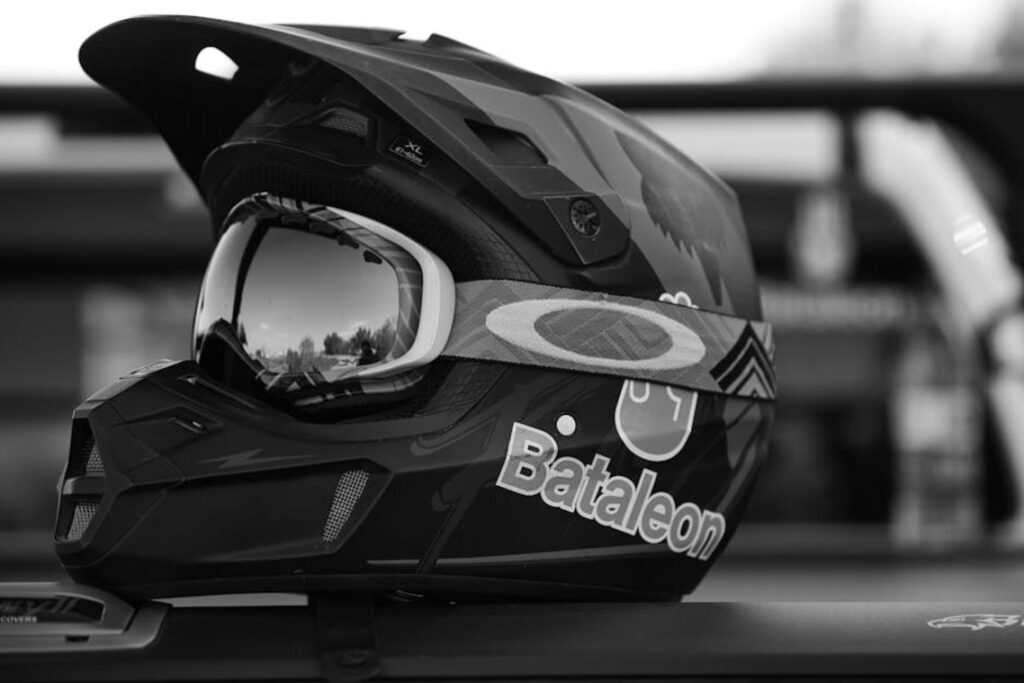
I’ve crashed enough times to know your helmet is the one piece of gear you can’t get wrong.
You’re here because you need a straight answer about which helmet should i buy fmboffroad. The options are overwhelming and the marketing makes every model sound like it’ll save your life.
Here’s the truth: most riders are wearing helmets that don’t match how they actually ride.
I’ve spent months testing helmets on real trails. Not just reading spec sheets or trusting what brands claim. I’m talking about taking hits, checking certifications that matter, and seeing which ones hold up when it counts.
This guide cuts through the confusion. I’ll show you the best helmets for trail riding, enduro, and downhill. More importantly, I’ll teach you how to pick the right one for the way you ride.
We’ve analyzed safety ratings that actually mean something (not just stickers on the box). We’ve gathered feedback from riders who’ve tested these helmets in conditions that matter.
You’ll learn which features are worth paying for and which ones are just marketing noise. You’ll know exactly what to look for based on your riding style and budget.
No fluff. Just the protection you need to ride with confidence.
First, Understand the Types of Off-Road Helmets
You can’t pick the right helmet until you know what you’re actually choosing between.
I see riders all the time wearing full-face helmets on mellow trail rides. Or worse, half-shells at the bike park. Neither makes sense.
The truth is, each helmet type exists for a reason. And matching your helmet to your riding style isn’t just about comfort. It’s about staying safe without hauling around protection you don’t need.
Let me break down the three main options.
Half-Shell (Open-Face)
This is what most trail riders wear.
The half-shell covers your head but leaves your face open. You get serious airflow, minimal weight, and enough protection for the kind of riding where you’re not launching off massive drops.
Cross-country and trail riders love these because you can actually breathe. When you’re climbing for an hour straight, that matters.
But here’s the tradeoff. Your face is exposed. If you go down hard, you’re relying on your reflexes (and maybe some dental insurance).
Full-Face
Now we’re talking about serious protection.
The full-face adds a chin bar that wraps around your jaw and mouth. It’s heavier. It’s hotter. And for downhill or bike park riding, it’s absolutely necessary.
When you’re hitting 40 mph down a rock garden, you need that chin bar. I’ve seen what happens when someone crashes without one. It’s not pretty.
Some riders complain about the weight or feeling claustrophobic. Fair enough. But if you’re riding at speeds where a crash could mean facial reconstruction, the discomfort is worth it.
Convertible (Removable Chin Bar)
This is where things get interesting.
Convertible helmets let you remove the chin bar when you’re climbing, then snap it back on for the descent. Enduro riders swear by them because you get the best of both worlds.
Or do you?
Here’s what people don’t tell you. That removable chin bar adds weight even when it’s attached. And the mechanism that lets you remove it? It’s never quite as solid as a dedicated full-face.
I’m not saying convertibles are bad. For aggressive trail riding where you’re doing both long climbs and gnarly descents, they make sense. Just know you’re compromising a bit on both ends.
Which helmet should I buy fmboffroad? That depends entirely on where you ride.
If you’re mostly on flow trails and XC routes, go half-shell. If you’re at the bike park every weekend, get a proper full-face. And if you’re somewhere in between, the convertible might be your answer.
The key is being honest about your riding style. Not what you think you’ll do someday. What you actually do right now.
Decoding the Tech: Key Features That Actually Matter
You walk into a bike shop and see helmets ranging from $50 to $400.
What’s the difference? Is it just marketing?
Not quite. Some features actually protect your brain better. Others just make you look cool (which matters, but not when you’re face down on a trail).
Let me break down what you’re paying for.
Rotational Impact Protection
MIPS, Spherical, WaveCel. You’ve seen these terms stamped on helmets.
Here’s what they do. When you crash at an angle, your head doesn’t just stop. It rotates. That twisting motion is what causes serious brain injuries.
These systems add a slip plane inside your helmet. Think of it like a layer that lets your head rotate slightly inside the helmet instead of transferring all that force to your brain.
The benefit? Your brain experiences less rotational force during the exact type of crash that causes concussions.
I won’t ride without this feature anymore. Neither should you.
Ventilation and Airflow
More vents sounds better, right?
Not always. I’ve worn helmets with 30 vents that felt like ovens.
What matters is how air moves through the helmet. Good channel design pulls hot air off your head and pushes it out the back. You stay cooler on climbs and your head doesn’t feel like it’s cooking on summer rides.
The payoff is simple. You’ll actually wear the helmet because it’s comfortable.
Fit and Retention Systems
A helmet that moves around is basically useless.
Modern dial systems let you tighten the fit with one hand. Adjustable cradles wrap around your head without creating pressure points that turn into headaches after an hour.
Here’s why this matters. A properly fitted helmet stays in position during a crash. A loose one? It might as well be a hat.
When you’re figuring out which helmet should i buy fmboffroad, spend time adjusting the retention system. If it doesn’t feel right in the store, it won’t feel right on the trail.
Safety Certifications
CPSC certification is required for all bike helmets sold in the US. It tests impact protection and strap strength.
ASTM F1952 goes further. This certification is built for downhill riding. It tests higher impact forces and covers more of your head.
What you get with ASTM F1952 is peace of mind when you’re sending it on technical descents. The helmet is tested for the kinds of hits you might actually take.
Recommended Helmets for Trail and Cross-Country Riding
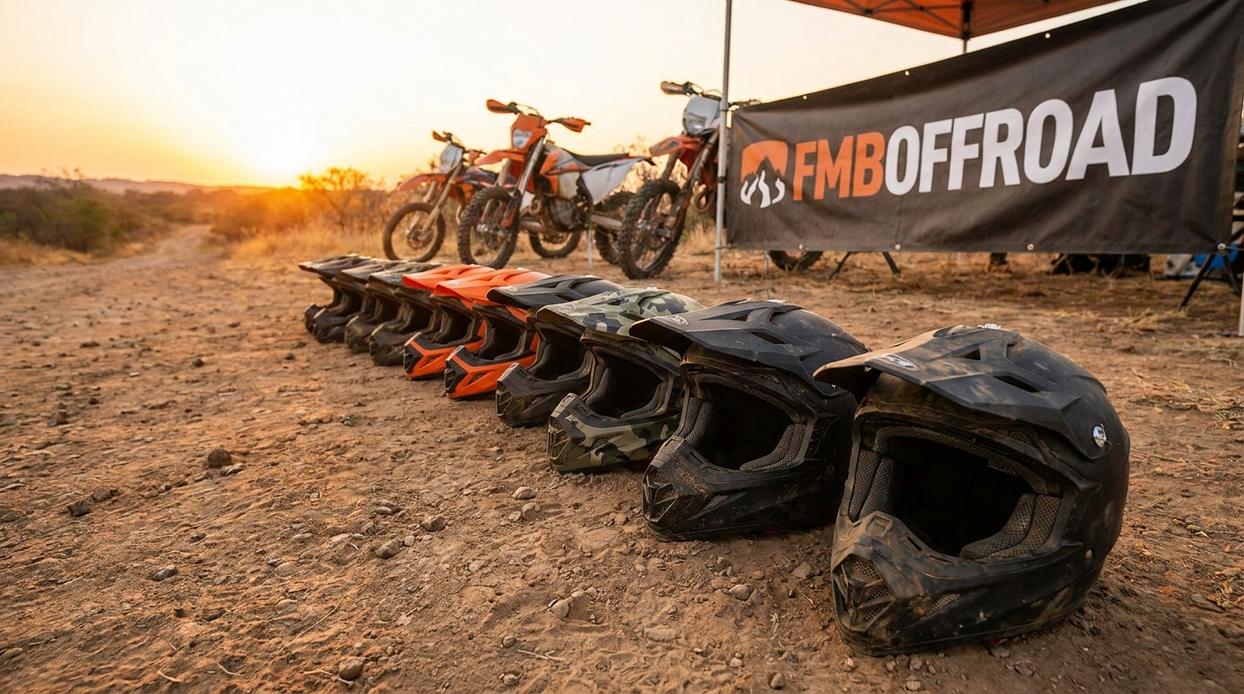
I remember my first trail helmet. Bought it because it looked cool and fit my budget. Twenty minutes into my first ride, I was drenched in sweat and my head felt like it weighed ten pounds.
That’s when I learned that not all helmets work the same way.
The All-Rounder
The Bell Super Air R gives you everything without making you choose. Deep coverage that actually protects your temples and back of your head. Vents that work (and I mean really work, not just holes that look good). It weighs about as much as a can of soda.
The visor adjusts in seconds. Pop goggles on when conditions get gnarly. Switch back to sunglasses when the trail opens up.
The Budget-Friendly Champion
Look, MIPS protection shouldn’t cost you half a paycheck. The Troy Lee Designs A1 proves that. You get certified safety tech and proper ventilation without the premium sticker shock.
It fits most head shapes right out of the box. Which matters more than people think.
The Lightweight Climber’s Choice
XC racers care about two things. Weight and airflow. The Specialized Ambush does both better than anything I’ve tested. You barely feel it on your head during long climbs.
When you’re grinding up a technical section (the kind where are dirt bikes fast fmboffroad riders would just twist the throttle), every gram counts. This helmet gets that.
Which helmet should I buy FMBOffroad? That depends on what you ride most. But any of these three will keep you covered.
Recommended Helmets for Enduro and Downhill
I still remember the first time I tried a convertible helmet on a shuttle day.
We’d done three downhill runs with the chin bar locked in. Then someone suggested we pedal to the next trailhead instead of waiting for the truck. I almost said no because I didn’t want to overheat.
Then I popped the chin bar off in about five seconds.
Game changer.
The Top-Tier Convertible
The best convertible helmets now use a single-button release system that actually works. You press, twist, and the chin bar comes off without fumbling with tools or multiple clips.
What matters most is how secure that mechanism stays when you’re riding. I’ve seen cheaper versions rattle or feel loose after a few months. The good ones lock tight and stay that way.
Ventilation in full-face mode is where these helmets shine. You get proper airflow without sacrificing protection. Pop the chin bar off for the climb and you’re basically wearing a well-vented half shell.
The Downhill Fortress
For park days or shuttle runs, I run a dedicated full-face that meets ASTM F1952 standards.
The difference in impact absorption is real. These helmets use thicker EPS foam and a beefier shell construction. You feel it when you pick one up (they’re heavier) but that weight means better protection.
D-ring closures take an extra second to fasten but they don’t slip. Ever. Magnetic or quick-release buckles are convenient until you need that helmet to stay put in a crash.
Neck brace compatibility matters if you’re running one. The shell needs proper cutouts at the base so the brace can do its job.
The Lightweight Full-Face
Modern enduro helmets changed my mind about wearing full-face protection on long rides.
These weigh close to what a good half shell does. The chin bar is there but the whole package sits lighter on your head. I can wear one for four-hour races without my neck getting tired.
The ventilation rivals convertible helmets. Big intake ports up front and exhaust channels in the back keep air moving even on slow technical climbs.
If you’re wondering which helmet should i buy fmboffroad, think about your riding style first. Shuttle days and bike parks? Go with the fortress. Mixed terrain with climbs? The convertible or lightweight full-face makes more sense.
The Most Important Step: How to Ensure a Perfect Fit
You can buy the best helmet on the market and still end up with a concussion if it doesn’t fit right.
I see riders skip this step all the time. They order based on a guess or what they wore five years ago. Then they wonder why their neck hurts after an hour on the trail.
Here’s how to get it right.
Measure Your Head
Grab a soft tape measure. Wrap it around your head about an inch above your eyebrows. That’s the widest part of your skull. Write down the number in centimeters.
Small is usually 54-56cm. Medium runs 57-58cm. Large hits 59-60cm.
Most fmboffroad dirt bikes by formotorbikes riders fall somewhere in that medium range, but don’t guess.
The Shake Test
Put the helmet on. Buckle the strap. Now shake your head side to side and up and down.
The helmet should move with your skin, not slide around on top of it. If it rocks back and forth independently, it’s too big. If it squeezes so hard you can’t shake at all, size up.
Strap Adjustment
The chinstrap should let you fit two fingers between it and your chin. Not three. Not one.
Adjust the Y-straps so they meet right below your earlobes. This keeps the helmet from sliding backward when you hit a bump.
Final Checks
Look straight ahead. You should see clearly without the helmet rim blocking your view.
Press on different spots around the helmet. You want even pressure, not hot spots that dig in. (Those turn into headaches real fast.)
If you’re still wondering which helmet should i buy fmboffroad, start with getting your measurements right. Everything else follows from there.
Invest in Your Safety, Ride with Confidence
You came here asking which helmet should i buy fmboffroad.
Now you have your answer.
You know how to find the right fit for your head shape. You understand which features matter for your riding style. And you can spot the difference between basic protection and modern rotational impact tech.
The best helmet isn’t the most expensive one or the one your buddy swears by. It’s the one that fits you perfectly, matches how you ride, and includes the safety features that actually work.
Your head is the most important thing you take on the trail. Don’t compromise on protecting it.
Use what you’ve learned here to make a choice you can trust. Then get out there and ride with confidence.
 Founder & Chief Adventure Director
Tynovox Ridge is the visionary founder behind FMBOffroad.com, a platform built for riders who crave adrenaline, exploration, and the freedom of off-road culture. With years of experience in motorcycle adventures and trail discovery, he created the brand to connect enthusiasts with authentic riding experiences and industry insights. Tynovox is known for his fearless mindset, leadership in outdoor motorsports, and passion for pushing boundaries beyond the pavement. His hands-on approach keeps the company closely connected to the off-road community and evolving riding trends. From coordinating adventure campaigns to guiding the brand’s creative direction, he continues to shape FMBOffroad.com into a trusted destination for riders worldwide. His dedication to adventure culture inspires both seasoned riders and newcomers alike.
Founder & Chief Adventure Director
Tynovox Ridge is the visionary founder behind FMBOffroad.com, a platform built for riders who crave adrenaline, exploration, and the freedom of off-road culture. With years of experience in motorcycle adventures and trail discovery, he created the brand to connect enthusiasts with authentic riding experiences and industry insights. Tynovox is known for his fearless mindset, leadership in outdoor motorsports, and passion for pushing boundaries beyond the pavement. His hands-on approach keeps the company closely connected to the off-road community and evolving riding trends. From coordinating adventure campaigns to guiding the brand’s creative direction, he continues to shape FMBOffroad.com into a trusted destination for riders worldwide. His dedication to adventure culture inspires both seasoned riders and newcomers alike.