Navigating snow terrain can be a nightmare if you’re not prepared. I’ve been there (stuck,) frustrated, wondering where I went wrong. The truth is, snow presents unique challenges that demand respect and knowledge.
You might be asking, how do I avoid the pitfalls? This article dives into snow terrain navigation, offering practical tips and takeaways. I’ll share what I’ve learned from countless journeys, the mistakes I’ve made, and the strategies that actually work.
I want you to feel confident when you hit those snowy trails. Whether you’re a seasoned off-roader or a newbie, I’ve got something for you.
With firsthand experience, I’ll guide you through the essentials of snow navigation. You’ll discover techniques that can make all the difference between a successful adventure and a frustrating setback.
Get ready to conquer the snow like a pro. Let’s dive in and transform how you handle winter landscapes.
Winter Terrain: Nature’s Unforgiving Playground
Snow and ice transform the space into a treacherous maze. Trails vanish, and landmarks hide under a deceptive white blanket. Ever tried snow terrain navigation?
It’s a whole new ballgame.
Visibility plummets. Snow, fog, and whiteouts play tricks on the eyes, while shorter days leave us fumbling in the dark. And let’s not even start on the snow itself.
Powder is a delight, yet crust can trip you up. Slush is sloppy; hidden ice is lethal. Each step is a gamble.
Cold steals the show by freezing you to the bone. Hypothermia and frostbite? Not just in survival movies.
Our gear isn’t immune either. Batteries die young, and materials snap like brittle twigs. Ever had your phone die in the cold?
It’s infuriating.
Waterways? They freeze and thaw without a care, creating traps that demand cautious crossings. One wrong step and you’re in icy water.
Elevations shift snow depth, and wind sculpts unpredictable drifts, turning familiar paths into this guide.
Pro tip: Always assess before crossing. It’s about anticipating nature’s surprises. Want to learn more?
This is just the beginning. Winter terrain doesn’t play nice, and that’s exactly why we love it.
Gear Up: Own the Cold
Cold weather exploration? It’s all about confidence. You need a full layered clothing system.
Start with a base layer to handle moisture. Nobody likes being damp in the cold. Then comes the mid-layer for insulation.
It’s the meat in your clothing sandwich. Lastly, the outer layer shields you from wind and snow. Each piece plays a part, but don’t forget redundancy.
Now, let’s talk snow terrain navigation. Relying solely on a GPS? Rookie move.
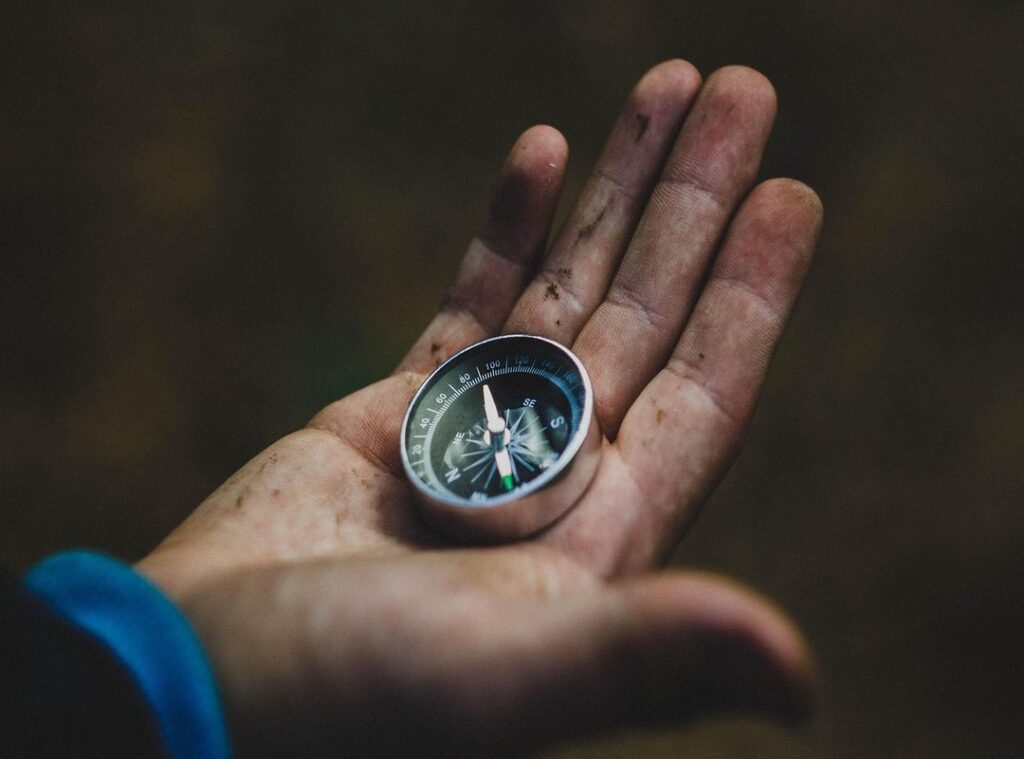
You need a waterproof map and compass because tech fails (especially) when it’s freezing. Toss in extra charged batteries.
You’d better pack serious emergency gear. A satellite messenger or personal locator beacon is a must. Add a strong first-aid kit tailored for the cold, and an emergency shelter (think bivvy or tarp).
Hungry yet? High-energy snacks are your friends. Combine them with insulated hydration systems, so you stay fueled and hydrated.
Specialized traction aids are non-negotiable. Snowshoes or microspikes for foot travel; tire chains or recovery boards for vehicles.
Don’t skimp on headlamps with spare batteries. Add fire-starting tools and a multi-tool. Trust me, these essentials make winter adventures possible and thrilling.
Mastering Snow Terrain Navigation
When you’re planning a trip in snowy environments, pre-trip route planning is key. Trust me, I’ve been there. Topographical maps are your best friend.
Study them for terrain features and potential hazards. Snow depth can change everything.
You might think GPS is enough, but it isn’t. Ever had your phone die in the cold? Exactly.
Learn to use a compass and map together. They won’t fail you when visibility goes south.
Reading snow conditions is another art. Look for stable ground and avoid drifts or hidden crevasses. It’s not just about getting from A to B.
It’s about not falling into a snow trap.
Situational awareness? Key. Always compare your surroundings with navigation tools.
Look for subtle cues. A weird shadow might be more than just a shadow.
Pacing is everything. Deep snow drains your energy fast. Regular breaks and hydration are non-negotiable.
Your body will thank you later.
Driving in snow adds another layer. Gentle throttle and steering inputs help. Understand weight transfer.
If you get bogged down, safe recovery procedures are important. Snow terrain navigation isn’t just a skill; it’s survival. Are you ready?
Winter Expeditions: Safety and Survival
Ever walked into the snow with nothing but a vague plan? Bad idea. A detailed trip plan is your lifeline. Share it with someone reliable.
Include your return time and emergency contacts. Trust me, when the snow gets deep, that’s when you’ll wish you had.
Recognizing hypothermia and frostbite is key. Your body gives you signs, so don’t ignore tingling or numb skin. Immediate first aid can be a lifesaver.
Because let’s face it, when you’re miles from civilization, quick decisions matter.
Got a whistle? Signal mirrors? Maybe a modern satellite device?
If you’re serious about winter trekking, learn effective emergency signaling methods. Don’t wait until you need them to figure it out.
Building a shelter with natural materials can save you from the elements. Even minimal gear is enough if you know what you’re doing. Pro tip: redundancy in warmth sources like emergency blankets is non-negotiable.
Sometimes, you need to call for help. But often, self-recovery strategies, whether on foot or with a vehicle, are your best bet (teamwork) is key. Really into winter adventure?
Brush up on thinkwinter: winter navigation skills. Snow terrain navigation isn’t just a skill; it’s a necessity out there. Stay prepared.
Winter Warriors: Resilience and Respect
Winter exploration isn’t just about braving the cold. It’s about mental fortitude. You need patience, adaptability, and perseverance.
Navigating snow terrain isn’t for the faint of heart. It’s an exercise in constant risk assessment. Balancing your skills against the harsh environment is key.
Can you trust your gear? Are your capabilities up to the challenge?
I find that humility is key when facing unpredictable winter landscapes. You can’t control nature. It dictates the terms.
We have to respect that. Continuous learning is key. Each snow trek teaches something new.
It’s not just about reaching a destination. It’s the journey of self-discovery.
Anticipating problems before they become emergencies is key. It’s a proactive approach. You’re not just reacting.
You’re thinking ahead. This mindset transforms challenges into manageable tasks. Does this make winter exploration easier?
Not exactly. But it makes it rewarding.
True adventure isn’t just about where you end up. It’s about how you get there. It’s about connecting with the wild.
That connection is the real reward. It’s why we do this. If you’re ready for more, check out conquering jungle off road challenges.
It’s a different terrain but the mindset is the same.
Take the Plunge into Winter Adventures
You’re now ready to tackle the challenges of winter. The fear of cold, snowy terrain can be paralyzing. But with the right skills, gear, and mindset, you can get through snow terrain navigation like a pro.
Don’t let fear hold you back. Start practicing your skills in safe environments. Explore local winter trails and get comfortable with the conditions.
Remember, each venture into the wilderness is a chance to grow. Embrace the thrill. Your next adventure awaits.
So gear up and head out. Discover the beauty of winter while staying safe. You’ve got this.