
Navigating rocky terrain navigation can feel overwhelming. You might wonder, how do I tackle those unpredictable paths without getting stuck? I’ve been there, and I know the frustration of hitting a bump and not knowing how to move forward.
But don’t worry. This article is here to break it all down.
I’ll share practical tips and takeaways that come from real experience out there in the wild. You’ll learn how to assess your vehicle’s capabilities, choose the right gear, and develop a mindset for tackling challenging landscapes.
Whether you’re a seasoned off-roader or just starting, you’ll find something valuable here.
I’ve consulted with experts and fellow adventurers to bring you the best advice.
By the end, you’ll feel more confident navigating tough terrains. Together, we’ll explore the art of off-roading and make every adventure a thrilling success. Trust me, you’ll be ready for anything.
Navigating the Wild: Traditional vs. Digital
Ever tried rocky terrain navigation with just a GPS? Good luck if the battery dies. Understanding both traditional and modern navigation is key out there.
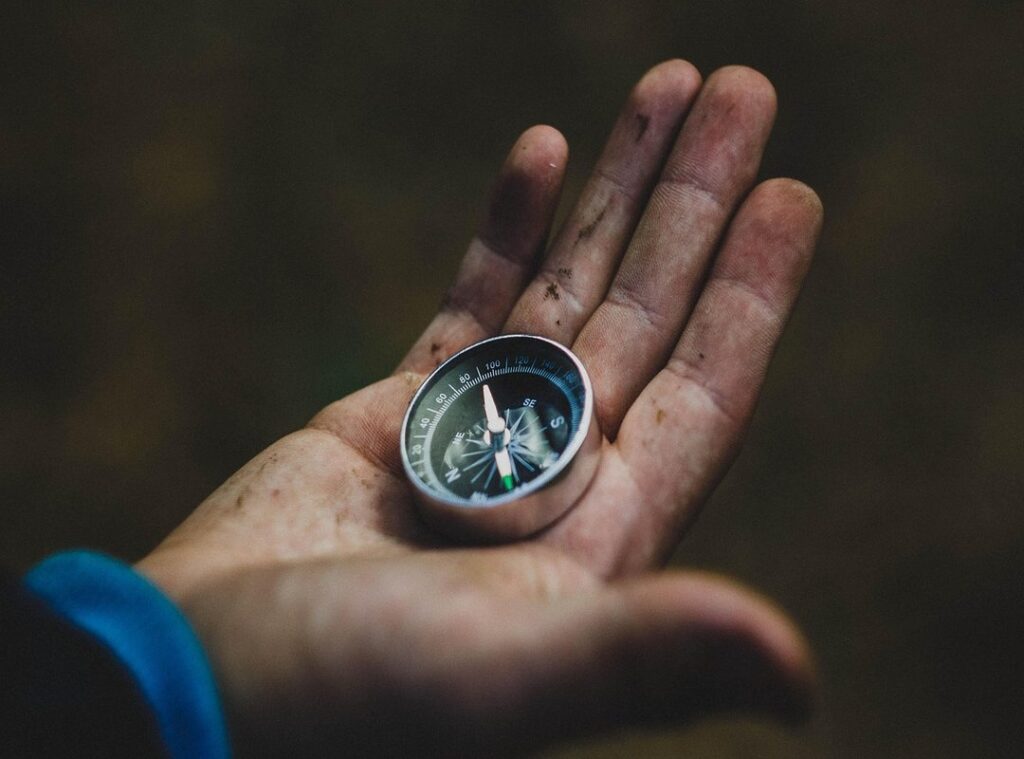
Sure, digital tools are shiny and precise, but the timeless elegance of a map and compass? Priceless. They don’t rely on signals.
Or batteries. You learn to read topographic maps, interpret contour lines, and actually know where you are.
Digital tools, though, are like magic. GPS units, satellite communicators, apps (they’re) incredible for precision. But here’s the thing: they complement, not replace, your fundamental skills.
Imagine the frustration of a dead GPS when you have no clue how to orient yourself. That’s a nightmare.
Choosing the right tools? It’s about reliability. A sturdy compass and a durable map won’t let you down, unlike that app that crashes at the worst time.
For those who crave luxury in the wild, it’s about combining these tools. The discerning adventurer knows both systems are better together.
If you’re eyeing those jungle trails and want to master them, this guide might be your next stop. Why settle for just one method when you can have the best of both worlds?
The Modern Navigator’s Arsenal: Tools for the Bold
Navigating rocky terrain is no joke. You need the right tools. I’m talking about the dedicated handheld GPS devices that are a game-changer.
Forget the ones that die after a couple of hours. Look for serious battery life, durability, and solid mapping capabilities. If you’ve ever been caught in a storm, you know what I mean.
But let’s not ignore satellite communication devices. Brands like InReach and Spot aren’t just gadgets. They’re important safety luxuries.
Imagine being able to send an SOS when your phone is useless. These tools have your back when you’re deep in the wilderness and cellular service is a myth.
Smartphone mapping apps are the unsung heroes. They offer detailed maps and route planning. Offline access is a lifesaver, but they have their downsides.
Power management is key. Portable chargers and solar panels are your best friends. Keep devices running without constantly worrying about outlets.
Battery dependency and fragile screens can ruin your day if you’re not careful.
It’s genius, really. Ever tried using a solar panel in the middle of nowhere? It’s like magic.
In this digital age, where tech meets adventure, having the right gear can make or break your experience. So, are you ready to conquer the unknown? Embrace these tools and redefine your navigation game.
Terrain Mastery: Decode and Dominate
Reading the earth is an art. It goes beyond glancing at topographic maps. You’ve got to see the ridges, valleys, and saddles.
Not just the lines. Have you ever thought about how these features affect your journey? They’re not just squiggles; they’re signals.
Identifying potential water sources or obstacles is key, especially in rocky terrain navigation.
In person, it’s a different game. Maps only tell half the story. Connecting map features with real-world terrain lets you anticipate challenges.
It’s an eye-opener. You learn to choose routes that offer the least resistance, avoiding impassable terrain like a pro. It’s about strategic checkpoints and knowing where to step next.
Ever tried navigating a dense forest or boulder field? Micro-navigation techniques make the difference. Precise bearing and distance estimation are your allies.
Our mindset should be explorative. Anticipate changes and adapt routes. It’s like turning obstacles into opportunities.
Want a deeper dive? Check out this terrain based navigation a how to guide. Pro tip: stay curious and keep learning.
Conquering the Extreme: Techniques for Unforgiving Environments
Navigating through rocky terrain navigation demands more than just a map and compass. Let’s talk about dense forests first. You ever notice how easy it is to veer off course when surrounded by towering trees?

Use nature’s clues: the sun’s position, moss on tree trunks. Keep your line straight. Trust me, it works.
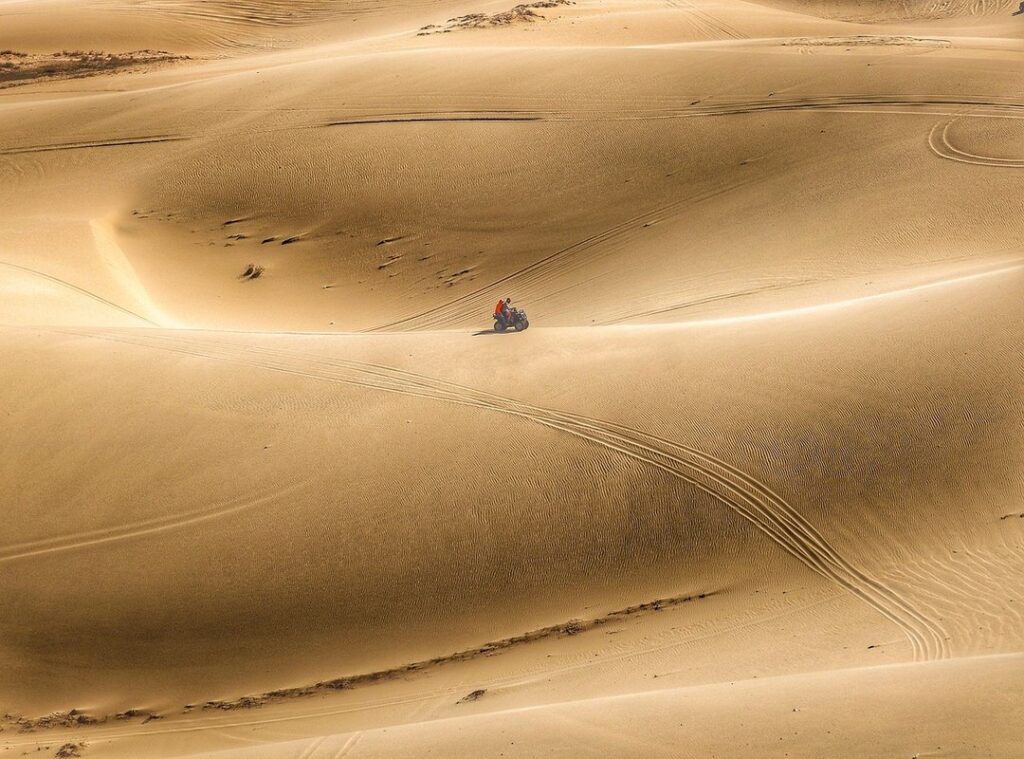
Now, deserts. Vast, featureless expanses can be deceiving. Heat management is key.
Carry plenty of water and recognize natural cues for potential sources. The horizon might trick you, but persistence and the right technique will keep you on track.
Mountains are their own beast. Rapid weather changes can catch you off guard. Keep an eye out for avalanche risks.
Snowfields require a different kind of focus. If you’re curious, check out our detailed Navigating Snowy Wilderness guide for more tips.
Waterways and canyons? Safety is key. Specialized methods make sure you cross safely.
Honestly, these challenging landscapes are your playground for honing skills and transforming navigation into an art. A pro tip: always let someone know your route. It’s not just about survival.
It’s about elevating your journey to something extraordinary.
The Unforeseen Journey: Emergency Preparedness
Let’s talk about the real backbone of any adventure: preparedness. It’s not glamorous, but it’s key. You’ve got to be ready for everything, especially when navigating rocky terrain.
Ever get stuck without a backup plan? I did once, and let me tell you, it wasn’t pretty. Redundancy in navigation is key.
Carry a primary GPS but don’t forget a map or compass. Spare batteries are a must. We can’t rely on just one tool (what) if it fails?
What’s in your emergency kit? Mine’s got shelter, fire starters, first aid, signaling devices, and emergency rations. These aren’t just items; they’re lifelines.
You won’t want to be caught in the wilderness without them. And always establish a “bailout” plan. When the primary plan goes awry (and trust me, it will at some point), you’ll be glad you did.
Communication is the overlooked hero. Tell someone your plans and bring emergency communication devices. Finally, mental fortitude is everything.
Decision-making under pressure can transform a crisis into a controlled situation. Challenges aren’t the enemy; they’re just part of the journey.
Your Next Adventure Awaits
You’ve faced the uncertainty of rocky terrain navigation. Now, you have the knowledge and skills to tackle it confidently.
This guide has equipped you to explore with assurance. You’re ready to take on those untamed landscapes.
So why wait? Gather your gear, practice your techniques, and set out on that off-road adventure you’ve always dreamed of.
The thrill of discovery is within reach. Embrace it with confidence.
You deserve to experience the wilderness like never before.
Now, go out there and make those memories. Your journey starts now.
 Off-Road Operations & Gear Specialist
Gavryth Lornquill is responsible for overseeing operational coordination and equipment expertise at FMBOffroad.com. With a deep understanding of motorcycle performance, riding gear, and trail preparation, he helps ensure that every feature and recommendation aligns with the needs of serious riders. Gavryth works closely with the team to research products, test off-road essentials, and provide practical insights for the community. His passion for rugged terrain and technical precision allows the platform to maintain credibility among adventure riders and enthusiasts. Whether organizing field projects or assisting with gear-focused content, he brings reliability and experience to the brand. His commitment to performance and safety continues to support the adventurous spirit of FMBOffroad.com.
Off-Road Operations & Gear Specialist
Gavryth Lornquill is responsible for overseeing operational coordination and equipment expertise at FMBOffroad.com. With a deep understanding of motorcycle performance, riding gear, and trail preparation, he helps ensure that every feature and recommendation aligns with the needs of serious riders. Gavryth works closely with the team to research products, test off-road essentials, and provide practical insights for the community. His passion for rugged terrain and technical precision allows the platform to maintain credibility among adventure riders and enthusiasts. Whether organizing field projects or assisting with gear-focused content, he brings reliability and experience to the brand. His commitment to performance and safety continues to support the adventurous spirit of FMBOffroad.com.