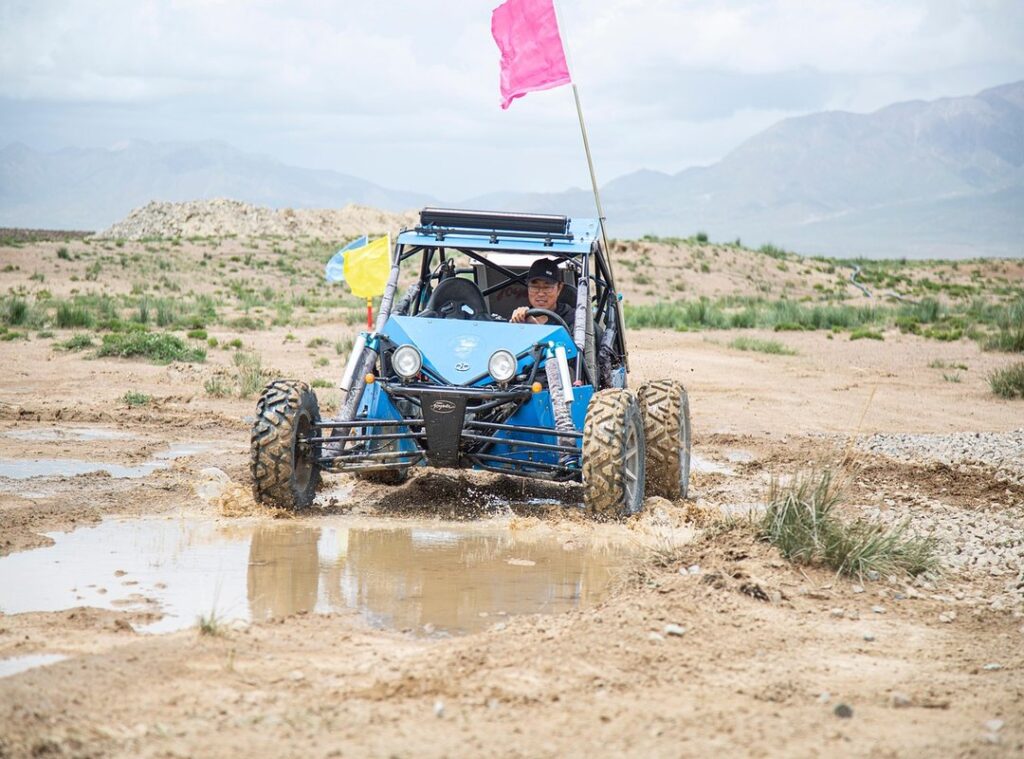
I know what you’re thinking when you see trails disappearing into the hills.
You want to leave the pavement behind and see where those dirt paths actually go. But every time you start looking into off-road riding, you hit a wall of information that doesn’t make sense.
Which bike do you even buy? What gear is actually necessary? How do you learn to ride on terrain that shifts under your tires?
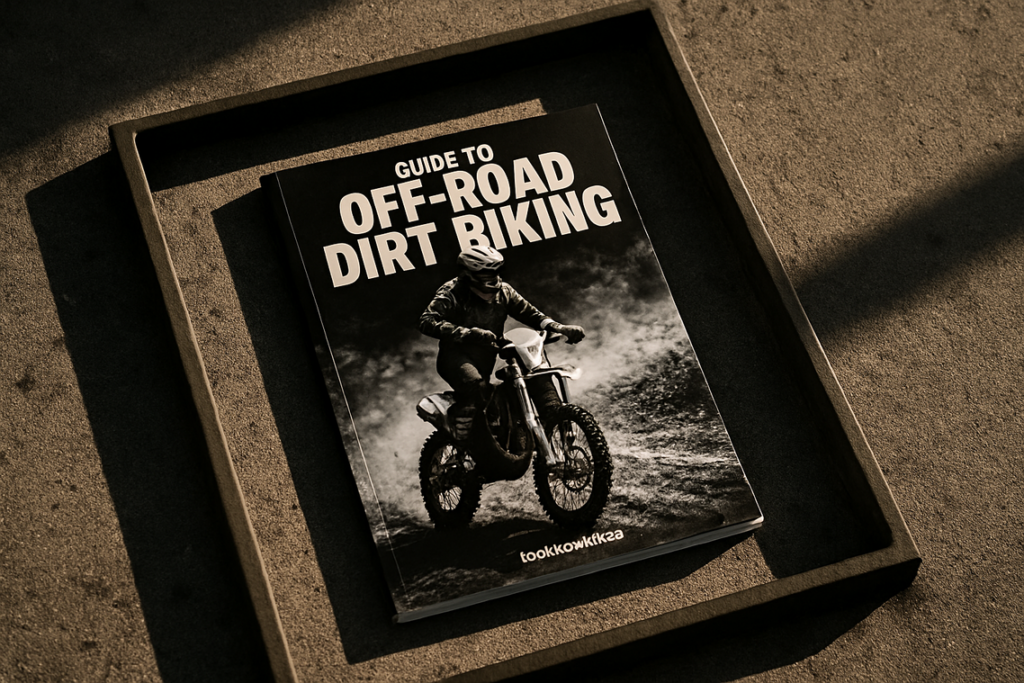
I put together this fmboffroad dirt bike guide from formotorbikes to cut through all that confusion.
You’ll find a clear path from complete beginner to someone who can confidently take a dirt bike into the wild. No guessing what comes next or wondering if you’re missing something important.
We cover the bikes that actually work for new riders. The gear that keeps you safe without emptying your wallet. The techniques you need to master before you tackle harder terrain.
This isn’t theory. It’s what works when you’re actually out there on the dirt.
By the end, you’ll know exactly what you need and how to use it. No fluff. No overwhelming lists of every bike ever made.
Just the straightforward information you need to start riding off-road.
What is Off-Road Riding? Exploring the Disciplines
Off-road motorbiking means riding on unpaved terrain. Dirt, mud, rocks, sand. Anywhere a street bike wouldn’t survive.
I remember the first time I took a bike off pavement back in 2015. The difference hit me immediately. No lane lines. No traffic lights. Just you and whatever the trail throws at you.
Street riding follows rules and patterns. Off-road riding? It’s about adapting to what’s in front of you.
The terrain changes every few feet. You need different skills and a different mindset.
So what kind of off-road riding actually exists?
Trail Riding is where most people start. You’re exploring natural paths through forests or deserts. It’s about endurance and enjoying the ride more than racing. I spent my first year just learning to read terrain on simple trails.
Motocross takes things to another level. You’re racing on closed tracks with big jumps and tight corners. It’s intense. Most MX tracks are man-made, which means the obstacles are designed to test your limits.
Enduro combines distance with difficulty. These are timed events that can last hours. Your bike needs to hold up just as long as you do. (I’ve seen more riders quit from mechanical failures than exhaustion.)
Then there’s Dual-Sport riding. You use a street-legal dirt bike that handles both pavement and trails. One minute you’re cruising down a highway. The next you’re on a fire road in the mountains.
Each discipline requires different gear and preparation. If you’re just getting started, check out the fmboffroad dirt bike guide from formotorbikes. It breaks down what you need for each type.
The question isn’t which one is best. It’s which one fits what you’re looking for.
Choosing Your Weapon: A First-Timer’s Guide to Dirt Bikes
You walk into a dealership and see rows of bikes.
They all look fast. They all look fun.
But which one is actually right for you?
Here’s what most people don’t tell you. Picking the wrong bike doesn’t just slow down your progress. It can make you want to quit entirely.
I’ve seen it happen. Someone buys too much bike because it looks cool, then spends every ride fighting the machine instead of learning to ride.
Let me break this down so you don’t make that mistake.
Two-Stroke vs. Four-Stroke
Two-strokes are lighter and pack a punch. The power hits hard and fast (which sounds exciting until you’re actually trying to control it). They’re also simpler to work on.
Four-strokes deliver power smoothly. You twist the throttle and the bike responds in a way that makes sense. For a beginner, that predictability is everything.
Most riders at fmboffroad start on four-strokes for good reason. You’ll build confidence faster when the bike isn’t trying to surprise you.
Engine Size Matters
Start with 125cc to 250cc.
I know. You want more power. Everyone does.
But here’s the benefit you actually get from a smaller engine. You learn proper technique instead of relying on horsepower to fix your mistakes. Plus, a lighter bike is easier to pick up when you drop it (and you will drop it).
New or Used?
New bikes don’t break down on your second ride. You get a warranty and peace of mind.
Used bikes cost less and teach you about maintenance. When something needs attention, you learn to fix it. That knowledge pays off later.
Either choice works. Just make sure a used bike has been maintained properly. Check the fmboffroad dirt bike guide from formotorbikes for what to look for.
Your first bike doesn’t have to be perfect. It just needs to help you learn.
Gear Up for Safety: The Essential Off-Road Kit
Let me be clear about something.
Safety gear isn’t optional. It’s not something you buy after a few rides when you “get serious” about off-road.
You need it from day one.
I’ve seen too many riders skip the basics because they think they’re just messing around. Then they take a simple fall and end up with injuries that could’ve been prevented with $200 worth of gear.
Here’s my take. If you can’t afford the right equipment, you can’t afford to ride yet. Save up. Wait. It’s that simple.
Some people say you can start with cheaper alternatives or hand-me-downs. That you’ll be fine if you just ride slow and careful. And sure, maybe you will be.
But why take that chance?
The fmboffroad dirt bike guide from formotorbikes breaks down what you actually need. Let me walk you through what I consider non-negotiable.
The Big Four
Helmet: This one’s obvious. Get DOT or ECE certified. Nothing else matters if this part fails. Good ventilation keeps you from cooking inside it during summer rides.
Boots: Regular boots don’t cut it. You need off-road specific boots with ankle support and shin protection. Your ankles will thank you the first time you clip a rock.
Goggles: Dust alone will blind you without these. Add in rocks and branches flying at your face? You see why these matter.
Gloves: They give you grip and save your palms when you go down. Because you will go down.
What Else You Should Grab
Knee guards prevent the kind of injuries that end riding careers. Body armor and roost deflectors stop chest impacts that’ll knock the wind out of you (or worse).
A proper riding jersey and pants aren’t just about looking the part. They’re designed to move with you and hold up when you slide.
This is the gear that lets you ride with confidence instead of fear.
Mastering the Fundamentals: Core Off-Road Riding Techniques
I learned this the hard way.
My first time on a dirt bike, I sat down like I was cruising on pavement. Hit a small rock and nearly flew over the handlebars.
Turns out, sitting is how you crash.
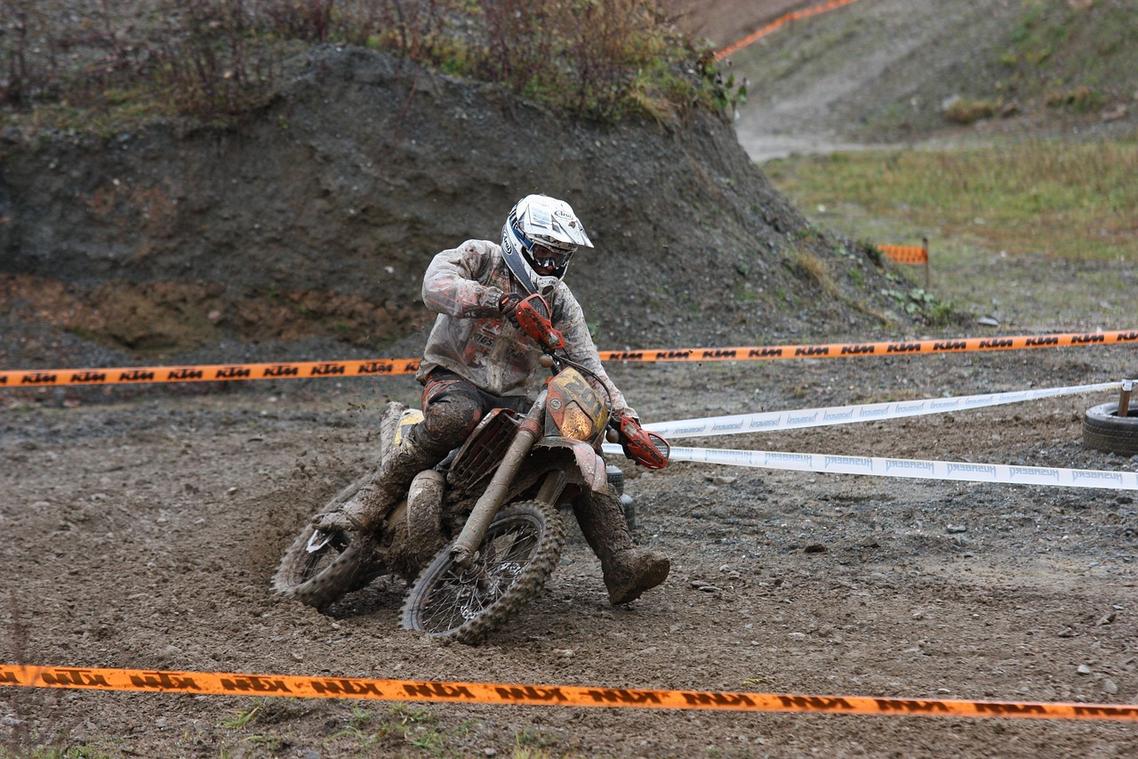
The attack position is everything. Stand on the pegs with your knees bent and elbows out. Your body becomes a shock absorber instead of a passenger getting tossed around.
I know it feels weird at first. Your legs will burn. You’ll want to sit down and rest.
Don’t.
Here’s what happens when you stand. You can move your weight instantly. Front, back, side to side. The bike stays balanced underneath you while you adjust to whatever the terrain throws at you.
Body Positioning That Actually Works
I used to think you just pointed the bike where you wanted to go.
Wrong.
Your weight placement controls everything. Lean forward into corners and the front tire bites harder. Shift back during acceleration and you keep the front end down (learned that after a few accidental wheelies).
For braking? Stay centered. Let the bike do its job.
| Situation | Weight Position | Why It Matters |
|———–|—————-|—————-|
| Cornering | Forward | Front tire grip |
| Acceleration | Backward | Prevents wheelies |
| Braking | Centered | Balanced stopping |
The Throttle Isn’t an On/Off Switch
This mistake cost me a lot of falls.
I’d twist the throttle hard on loose dirt and the rear would spin out. Or I’d chop it completely and the bike would buck me forward.
Smooth is fast. Gentle inputs keep your tires connected to whatever surface you’re on. Sand, mud, loose gravel. Doesn’t matter.
Same goes for the clutch. Feather it. Don’t dump it.
Braking Without Eating Dirt
Most new riders grab too much front brake and lock the wheel. I did this constantly.
You need both brakes working together. The rear brake is your friend on dirt. It slows you down without the drama of a locked front wheel sliding out.
Start with more rear than front. As you get comfortable, you can add front brake pressure. But if that front wheel locks? You’re going down.
Pro tip: Practice emergency stops in a straight line on flat dirt before you try braking in corners.
Look Where You Want to Go
Sounds simple, right?
But when there’s a tree or a rock in front of you, your eyes lock onto it. And guess what? You hit it.
I crashed into the same log three times before someone told me to stop staring at it.
Look past the obstacle. Your bike follows your eyes. If you’re looking at the clear path around the rock, you’ll take the clear path.
This applies to everything. Ruts, bumps, tight trails. Look ahead to where you want to be, not at what you’re trying to avoid.
The fmboffroad dirt bike guide from formotorbikes breaks this down even further if you want to go deeper. But honestly? These basics will keep you upright while you build confidence.
Start with the attack position. Get that right and everything else becomes easier.
Your legs might hate you for a few rides. But your face will thank you for not meeting the ground as often as mine did.
Your Off-Road Adventure Awaits
You came here feeling overwhelmed by all the choices and information out there.
I get it. Starting anything new can feel like too much.
But now you have what you need. The fmboffroad dirt bike guide from formotorbikes gives you a clear path forward instead of a maze of confusion.
Here’s the truth: You don’t need to know everything right now. You just need to start with the right bike, the proper gear, and some basic skills.
That’s it.
Those three things turn a complete beginner into someone who can actually ride off-road. Not perfectly, but capably.
So what’s next?
Visit a local dealer and sit on some bikes. Feel the weight and see what fits. Start researching gear that matches your budget and riding style. Find a beginner-friendly riding area near you where you can practice without pressure.
The hardest part is always the first step. You’ve already done the research and built your foundation.
Now go ride.
 Founder & Chief Adventure Director
Tynovox Ridge is the visionary founder behind FMBOffroad.com, a platform built for riders who crave adrenaline, exploration, and the freedom of off-road culture. With years of experience in motorcycle adventures and trail discovery, he created the brand to connect enthusiasts with authentic riding experiences and industry insights. Tynovox is known for his fearless mindset, leadership in outdoor motorsports, and passion for pushing boundaries beyond the pavement. His hands-on approach keeps the company closely connected to the off-road community and evolving riding trends. From coordinating adventure campaigns to guiding the brand’s creative direction, he continues to shape FMBOffroad.com into a trusted destination for riders worldwide. His dedication to adventure culture inspires both seasoned riders and newcomers alike.
Founder & Chief Adventure Director
Tynovox Ridge is the visionary founder behind FMBOffroad.com, a platform built for riders who crave adrenaline, exploration, and the freedom of off-road culture. With years of experience in motorcycle adventures and trail discovery, he created the brand to connect enthusiasts with authentic riding experiences and industry insights. Tynovox is known for his fearless mindset, leadership in outdoor motorsports, and passion for pushing boundaries beyond the pavement. His hands-on approach keeps the company closely connected to the off-road community and evolving riding trends. From coordinating adventure campaigns to guiding the brand’s creative direction, he continues to shape FMBOffroad.com into a trusted destination for riders worldwide. His dedication to adventure culture inspires both seasoned riders and newcomers alike.