
I’ve been riding off-road for years and I still remember how lost I felt at the start.
You’re probably here because you want to get into dirt biking but don’t know where to begin. The options are endless and everyone has a different opinion about what you need.
Here’s the truth: you don’t need to figure it all out at once.
I put together this dirt bike guide fmboffroad to cut through the confusion. I’ll show you exactly what matters when you’re starting out and what you can ignore for now.
We’ve helped hundreds of new riders get on the right bike with the right gear. That experience taught me what actually works versus what just sounds good on paper.
You’ll learn how to pick your first bike without overspending. I’ll walk you through the safety gear that’s worth buying and the techniques you need to ride with confidence.
No complicated jargon. Just practical steps to get you riding safely.
Choosing Your Weapon: How to Select the Perfect Dirt Bike
You can’t just walk into a dealership and pick the shiniest bike on the floor.
Well, you could. But you’d probably regret it after your first ride.
I’ve watched too many riders buy the wrong bike because they didn’t understand what they actually needed. They end up frustrated or worse, they get hurt because the bike doesn’t match their skill level.
Some people will tell you it doesn’t matter that much. Just get out there and ride whatever you can afford. They say you’ll adapt to any bike eventually.
Here’s where I disagree.
The right bike makes everything easier. The wrong one? It fights you every step of the way.
Two-Stroke vs. Four-Stroke: The Foundation
This is where it starts.
Two-strokes hit hard. They’re lighter and the power comes on fast, almost aggressive. You twist the throttle and the bike responds now. Maintenance is simpler too (fewer moving parts), but you’ll mix oil with your gas.
Four-strokes feel different. The power builds smoother and you get more control in technical sections. They’re heavier and need more regular valve checks, but most riders find them easier to manage.
Neither is better. They’re just different tools for different jobs.
Types of Off-Road Bikes
Not every dirt bike does the same thing.
Motocross bikes are built for racing on closed tracks. Stiff suspension that soaks up jumps. Close-ratio gearing for quick acceleration between corners. The power delivery is sharp because you need it for gate drops and passing.
But take one on a trail ride? You’ll hate life. Too aggressive for roots and rocks.
Trail and enduro bikes are the workhorses. Softer suspension that handles the unpredictable stuff you find in the woods. Wide-ratio gearbox so you’re not constantly shifting. Many come with lights and a kickstand (because you’ll actually stop to look around).
This dirt bike guide fmboffroad approach means matching your riding style to the bike’s design.
Dual-sport bikes split the difference between street and dirt. They’re heavier because of all the street-legal gear like turn signals and mirrors. You can ride to the trailhead legally, but you’ll feel that extra weight once you’re off-road.
Sizing It Up
Here’s what beginners miss.
Seat height matters more than engine size. If you can’t touch the ground confidently, you’ll drop the bike. A lot. I’ve seen riders on bikes that are technically “their size” but they’re tiptoeing at every stop.
Your feet should reach the ground when you’re sitting. At least one foot flat, both feet on the balls of your feet at minimum.
The bike should feel like it fits you. Not the other way around.
Gear Up for Safety: Non-Negotiable Riding Equipment
I’ll be blunt about this.
If you’re thinking about cutting corners on safety gear, you’re making a mistake that could cost you more than money.
I’ve seen riders show up to trails with a bicycle helmet and sneakers. They tell me they’re just starting out and don’t want to spend too much yet. That they’ll upgrade once they get serious.
Here’s my take on that logic. It’s backwards.
You’re most likely to crash when you’re learning. That’s exactly when you need the best protection.
The Helmet Comes First
Your helmet is the one piece of gear I won’t compromise on. Ever.
Get a DOT or ECE certified helmet that fits properly. Not almost right. Not close enough. It needs to fit snug without pressure points (you’ll know the difference after wearing it for ten minutes).
I prefer a full face design for dirt riding. Your jaw doesn’t heal as well as you’d think.
Here’s what matters:
- The shell should be purpose-built for off-road riding
- Ventilation keeps you from overheating on long rides
- Weight distribution affects neck fatigue more than you realize
Some people argue that a good street helmet works fine for dirt. I disagree. The chin bar design and ventilation are completely different because the demands are different.
Your Eyes Need Real Protection
Goggles aren’t optional when you’re riding behind other bikes.
Roost will hit you in the face. Dirt, rocks, mud. It happens fast and it hurts. I’ve watched riders pull off mid-ride because a pebble caught them in the eye while wearing sunglasses.
Goggles seal around your face and give you a clear field of vision even when conditions get rough. Plus you can swap lenses based on light conditions.
Boots Save Your Ankles
This is where I see the most resistance from new riders. Good motocross boots are expensive and stiff.
But your ankles take constant abuse on a dirt bike. The pegs, the ground, the bike itself when it tips over. Regular boots don’t cut it.
Purpose-built off-road boots give you ankle support that prevents the twisting injuries that’ll keep you off the bike for months. The sole is designed to grip the pegs. The shin plate protects you from rocks and the bike’s controls.
I won’t ride without them. Check out the dirt bike guide fmboffroad for more detailed gear breakdowns if you want to go deeper.
Body Armor Isn’t Just for Pros
A roost deflector protects your chest and back from flying debris and impacts. Knee guards prevent the kind of injuries that happen when you go over the bars or catch a rut wrong.
I wear both every single ride. Not because I plan to crash but because I know I might.
The armor spreads impact across a larger area. It’s the difference between a bruise and a broken rib.
Gloves Keep You in Control
Your hands are your connection to the bike. Without proper gloves, you’ll get blisters within an hour. Your grip will slip when you’re tired or sweaty.
Good gloves offer abrasion resistance if you go down. They also protect your knuckles from branches and give you better feel for the controls than you’d expect.
I prefer gloves with a tacky palm material. The extra grip means I can relax my hands more, which reduces arm pump on longer rides.
Mastering the Machine: Fundamental Riding Techniques
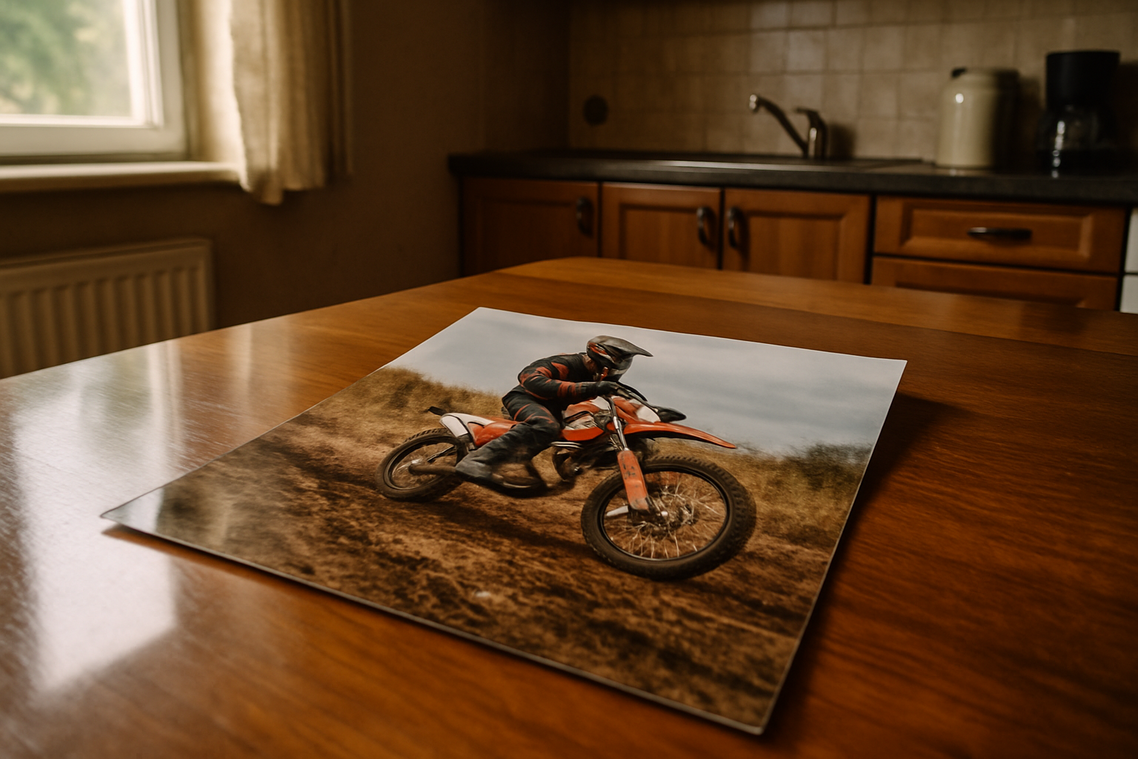
I still remember the first time I tried to ride standing up on a dirt bike.
Lasted about three seconds before I sat back down like I was on a street bike. My arms were locked straight and my knees were stiff as boards. I hit a small rock and nearly went over the handlebars.
My buddy pulled up next to me and yelled over his engine. “You look like you’re riding a Harley to church.”
He wasn’t wrong.
Here’s what nobody tells you when you’re starting out. The techniques that work on pavement will get you hurt on dirt. Your body position changes everything.
The Attack Position
This is where it all starts.
Stand on the pegs with your knees bent. Not a little. Really bent, like you’re about to sit but you’re hovering above the seat. Your elbows should be up and out (yeah, it feels weird at first). Keep your head over the handlebars and put your weight on the balls of your feet.
Think of yourself as a shock absorber. The bike moves underneath you while your upper body stays relatively stable.
Some riders say you should sit down for comfort on long rides. And sure, you can sit on smooth fire roads. But the moment the terrain gets rough, you need to be standing. Your legs do the work your suspension can’t handle.
Throttle and Clutch Control
Speed doesn’t mean anything if you can’t control it.
I learned this the hard way in loose sand. I’d pin the throttle and the rear wheel would just dig a hole. What you need is finesse (not a word I use often, but it fits here).
The clutch becomes your best friend on a dirt bike guide fmboffroad. Feather it to modulate power when you’re in slippery conditions. Slip it a bit to keep the engine in the powerband without breaking traction.
It’s not about being gentle. It’s about being smooth.
Braking Without Washing Out
Pavement riders love their front brake.
Dirt riders? We’re more careful with it.
Use both brakes together, but favor the rear. On loose surfaces like dirt or gravel, too much front brake will wash out your front wheel faster than you can react. The rear brake gives you control without the same risk.
Pro tip: Practice braking in a straight line on different surfaces before you try it in corners. Sand feels different than hardpack, which feels different than gravel.
Look Where You Want to Go
Your bike follows your eyes.
Sounds simple, but it’s the hardest habit to break. When you see a rock or a rut, your instinct is to stare at it. And then you hit it. Every single time.
Look past the obstacle. Look where you want the bike to go, not where you’re afraid it might go. Your body will follow your vision and the bike will follow your body.
I’ve ridden past logs I didn’t think I could clear just by looking at the trail beyond them.
Weight Distribution
Shift forward for corners. Shift back for hills and descents.
Moving your body weight changes how the bike handles more than any adjustment you can make to the suspension. Lean forward and you get more front wheel traction for turning. Lean back and you keep the front end from diving on steep descents.
It becomes second nature after a while. But at first, you have to think about it consciously.
Basic Maintenance: The Pre-Ride Checkup
Five minutes before you ride could save you hours of frustration later.
I know it sounds like something your dad would say. But I’ve seen too many riders push their bikes back to the truck because they skipped this step.
A quick inspection isn’t about being paranoid. It’s about catching small problems before they turn into big ones (or worse, dangerous ones).
Here’s what matters:
Air Filter is Life
Your air filter keeps dirt out of your engine. In dusty conditions, that filter is working overtime.
A clogged filter chokes your engine and kills power. A dirty one lets grit slip through and wears down your piston and cylinder. Clean it after every ride and oil it properly. Your engine will thank you with better throttle response and years of reliable performance.
Chain Tension and Lube
Your chain transfers power from the engine to the rear wheel. Too tight and it binds up, wearing out sprockets and putting stress on your transmission. Too loose and it can jump off or slap the swingarm.
Check your slack according to your bike’s manual. Usually it’s about 1.5 to 2 inches of play. Keep it lubed so power delivery stays smooth and parts last longer.
Tire Pressure Check
Forget what you know about street bikes.
Off-road pressures run much lower. We’re talking 12 to 15 psi depending on terrain and rider weight. Lower pressure gives you a bigger contact patch, which means better traction in dirt, sand, and rocks.
The right pressure makes your bike feel planted instead of skittery. Check it cold before every ride.
This five-minute routine from the dirt bike guide fmboffroad keeps you riding instead of wrenching. And it means you’re out there having fun while other riders are still in the pits fixing what they could’ve prevented.
Your Off-Road Journey Begins Now
You came here confused about where to start with dirt biking.
Now you have a clear path forward.
This dirt bike guide fmboffroad walked you through the bikes, the gear, and the skills you need. No more guessing about what comes first or what matters most.
The fundamentals work because they’re simple. Get the right bike for your size and skill level. Wear proper safety gear every time. Master the core techniques before you push harder.
That’s it.
I’ve seen too many riders skip these basics and pay for it later. You don’t have to make those mistakes.
Here’s what you do next: Pick your bike. Get your gear sorted. Find a safe spot to practice. Start slow and build from there.
The trail is waiting for you. Your off-road adventure starts the moment you decide to take that first ride.
Go ride.
 Founder & Chief Adventure Director
Tynovox Ridge is the visionary founder behind FMBOffroad.com, a platform built for riders who crave adrenaline, exploration, and the freedom of off-road culture. With years of experience in motorcycle adventures and trail discovery, he created the brand to connect enthusiasts with authentic riding experiences and industry insights. Tynovox is known for his fearless mindset, leadership in outdoor motorsports, and passion for pushing boundaries beyond the pavement. His hands-on approach keeps the company closely connected to the off-road community and evolving riding trends. From coordinating adventure campaigns to guiding the brand’s creative direction, he continues to shape FMBOffroad.com into a trusted destination for riders worldwide. His dedication to adventure culture inspires both seasoned riders and newcomers alike.
Founder & Chief Adventure Director
Tynovox Ridge is the visionary founder behind FMBOffroad.com, a platform built for riders who crave adrenaline, exploration, and the freedom of off-road culture. With years of experience in motorcycle adventures and trail discovery, he created the brand to connect enthusiasts with authentic riding experiences and industry insights. Tynovox is known for his fearless mindset, leadership in outdoor motorsports, and passion for pushing boundaries beyond the pavement. His hands-on approach keeps the company closely connected to the off-road community and evolving riding trends. From coordinating adventure campaigns to guiding the brand’s creative direction, he continues to shape FMBOffroad.com into a trusted destination for riders worldwide. His dedication to adventure culture inspires both seasoned riders and newcomers alike.