A dead motorbike battery leaves you stranded. Not annoyed. Not mildly inconvenienced. Stranded.
I’ve pushed a bike to a gas station at 7 a.m. in the rain. Twice.
You’re not looking for theory. You want to know Which Motorbike Battery Lasts Longer Fmbmototune (and) why one lasts three years while another dies before winter.
This isn’t about specs sheets or marketing fluff. It’s about what actually holds a charge after sitting all winter. What survives vibration from potholes.
What starts your bike on the first crank. Every time.
We’ll compare lead-acid, AGM, and lithium options. Not just their claims. Their real-world behavior.
I’ve swapped, tested, and killed enough batteries to know which ones earn their price.
You’ll walk away knowing exactly which type fits your ride (and) why it won’t quit on you mid-trip.
No hype. No jargon. Just what works.
Which Motorbike Battery Lasts Longer Fmbmototune
I tested all three main types on my own bikes. You should too (before) you get stranded.
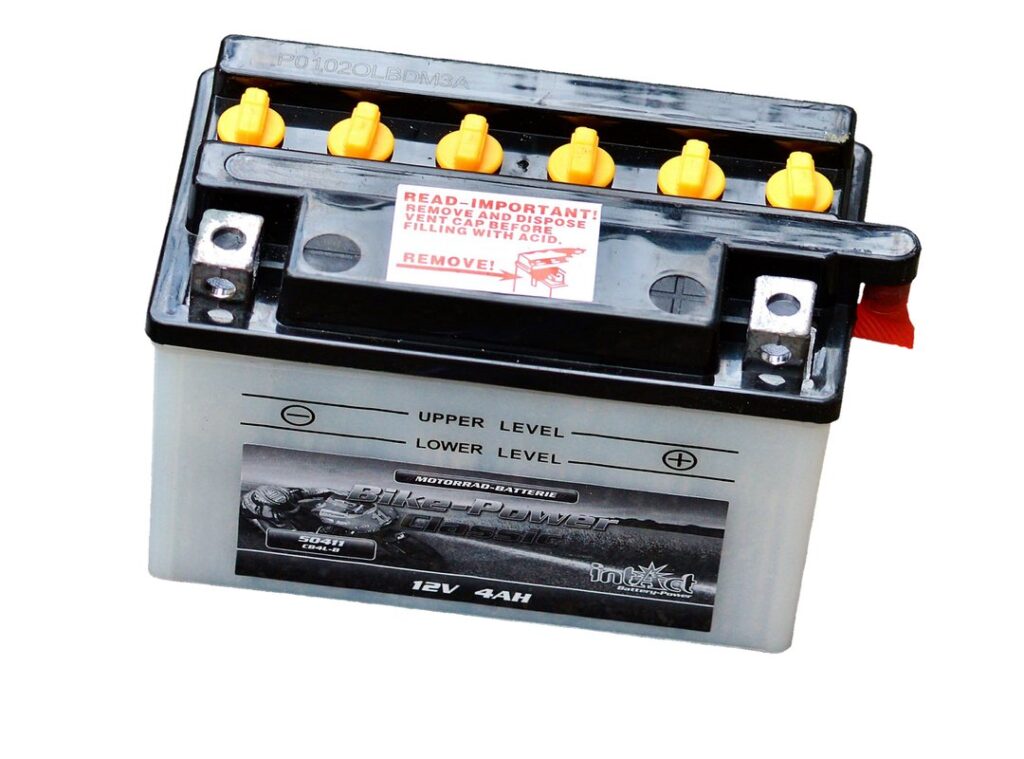
Lead-acid batteries are the old-school kind. They hold liquid acid in open cells. Cheap to buy ($30) to $60 (but) they leak, spill, and die fast if you forget to charge them.
I replaced one every 2 years. (And yes, I forgot.)
AGM batteries trap that acid in fiberglass mats. No spills. More vibration resistant.
Costs $70 to $120. They last 3. 5 years if you treat them right. I kept one for 4 years on a daily commuter.
It still cranked strong at the end.
Lithium-ion (LiFePO4) is light, holds voltage steady, and weighs half as much. Starts your bike even when it’s nearly dead. But it costs $150 to $300.
And it hates cold weather below freezing. I ran one for 6 years on a garage-kept bike. Zero issues.
Which Motorbike Battery Lasts Longer Fmbmototune? I’d pick lithium for track days or long trips. AGM for most riders who want balance.
Lead-acid only if you’re broke and don’t mind replacing it twice as often.
You’ll see real-world test data on Fmbmototune.
What’s your bike used for? Weekend rides or daily duty?
That changes everything.
Lead-Acid vs. AGM: Which One Actually Lasts?
I’ve replaced lead-acid batteries every two years on my old Honda. Every time, I’m checking water levels, cleaning corrosion, and praying it starts in the rain. (Spoiler: it often didn’t.)
AGM batteries? I slapped one into my Yamaha last year. No water.
No vent caps. No drama.
Lead-acid batteries die fast (2) to 3 years is normal. Vibration cracks the plates. Forgetting to top off water dries them out.
And if you leave your bike parked for a month? Good luck.
AGM lasts 3 to 5 years. It’s sealed. The electrolyte is soaked into glass mats.
That means no spills, no evaporation, and way less damage from bumps or potholes.
They also self-discharge slower. So that winter storage? Your AGM wakes up ready.
Your lead-acid wakes up dead.
You could stick with lead-acid (if) your bike is pre-1990 or your wallet is screaming. But unless you love checking fluid levels every other weekend, why bother?
Which Motorbike Battery Lasts Longer Fmbmototune? AGM wins. Hands down.
Old bikes sometimes need the old tech. Fine. But most riders today aren’t restoring museum pieces.
They’re riding. Fixing flat tires. Getting caught in downpours.
You want reliability (not) ritual.
So ask yourself: do you want to babysit a battery? Or just ride?
Lithium-Ion Isn’t Just Light (It) Lasts

I switched to LiFePO4 on my dirt bike three years ago.
It still cranks like new.
And it delivers serious cranking power, even when half-charged.
LiFePO4 is the lightest motorbike battery you’ll find. It holds charge for months. Not weeks.
Which Motorbike Battery Lasts Longer Fmbmototune?
LiFePO4 wins. Hands down (if) you treat it right.
These batteries last 5. 8 years. Some riders get 10. That’s double or triple a lead-acid battery.
Why? They handle 2,000+ charge cycles. They don’t sulfate like old-school batteries.
Most have built-in battery management systems (BMS) that stop overcharge, deep discharge, and overheating. (Yes, that BMS is why you shouldn’t cheap out on the charger.)
Cost? Higher up front. But I paid $180.
That’s less than replacing two lead-acid batteries in four years.
Cold weather hurts them (below) 20°F, capacity drops fast. Solution? Store indoors.
Or use a heated garage. Don’t try to start in freezing temps with a cold LiFePO4.
Fmbmototune motorbike tuning by formotorbikes includes battery compatibility checks. Because swapping to lithium isn’t just plug-and-play.
You need the right regulator, wiring, and charging profile.
I’ve seen riders fry LiFePO4 batteries using stock stators.
Don’t be that rider.
Weight matters. So does longevity. So does knowing your bike’s electrical system.
LiFePO4 lasts longer.
If you match it to your setup.
It’s Not Just the Battery
Battery type matters.
But it’s not the whole story.
I’ve seen riders swap in a premium AGM and still kill it in six months. Why? Because they ignored everything else.
Rider habits wreck batteries faster than cheap cells ever could. You charge wrong. You ride wrong.
You store wrong.
Smart chargers fix half of that. Use one if your bike sits for more than two weeks. (Yes, even if it’s “just a weekend.”)
Short rides drain more than they charge. Your alternator needs time to catch up. Ten minutes every day?
That’s battery suicide.
Cold saps power. Heat cooks chemistry. A battery in Phoenix garages dies faster than one in Portland.
No surprise there.
Loose terminals corrode. Bad grounds leak voltage. Parasitic drains (like) aftermarket alarms or faulty regulators (will) empty your battery while you sleep.
Check them. Every season.
Which Motorbike Battery Lasts Longer Fmbmototune?
It depends on how you treat it. Not just what you buy.
Fmbmototune helps you match real-world use with the right battery and setup.
See how it works
Your Battery Won’t Quit on You
A dead battery kills your ride before you even turn the key. I’ve been there. Stranded.
Cold. Annoyed.
Lithium-ion lasts longest.
AGM gives you solid life without breaking your wallet.
But here’s what really matters: Which Motorbike Battery Lasts Longer Fmbmototune isn’t just about specs. It’s about how you ride. How often you ride.
What you’ll actually do to keep it healthy.
You want reliability. Not guesswork. So check your habits first.
Then pick the battery that fits your real world (not) a brochure.
Stop hoping for a good start.
Make it certain.
Grab your bike’s manual. Look at your last three rides (short?) Long? Cold?
Rainy? Then pick now. Not when it’s too late.
 Trail Content & Community Manager
Auritha Wolfquell oversees the storytelling and community engagement side of FMBOffroad.com, bringing every adventure to life through compelling content and rider-focused communication. She specializes in creating informative articles, trail features, and lifestyle content that resonates with off-road enthusiasts. Her creative vision helps strengthen the connection between the brand and its growing audience of motorcycle explorers. Auritha is passionate about outdoor travel, motorsport culture, and building communities centered around shared experiences. She also manages collaborations, rider spotlights, and digital campaigns that highlight the excitement of off-road adventures. Her energetic approach and attention to detail make her an essential voice within the FMBOffroad team.
Trail Content & Community Manager
Auritha Wolfquell oversees the storytelling and community engagement side of FMBOffroad.com, bringing every adventure to life through compelling content and rider-focused communication. She specializes in creating informative articles, trail features, and lifestyle content that resonates with off-road enthusiasts. Her creative vision helps strengthen the connection between the brand and its growing audience of motorcycle explorers. Auritha is passionate about outdoor travel, motorsport culture, and building communities centered around shared experiences. She also manages collaborations, rider spotlights, and digital campaigns that highlight the excitement of off-road adventures. Her energetic approach and attention to detail make her an essential voice within the FMBOffroad team.