

Picking an investment account in Gscfinanceville feels like trying to read a menu in another language. You know you need to start. You just don’t know where to look first.
Most people freeze right here. They scroll. They compare.
They ask friends who also don’t know. Sound familiar?
This isn’t about theory. It’s about your goals. Your timeline.
Your paycheck. Not someone else’s spreadsheet. Not some generic advice that ignores Gscfinanceville’s rules and fees.
I’ve opened accounts here. Closed them. Paid stupid fees.
Learned the hard way. You shouldn’t have to.
So let’s cut the noise. No jargon. No fluff.
Just clear choices (and) how each one actually works for you.
You’ll walk away knowing exactly Which Investment Account to Open Gscfinanceville. No guessing. No second-guessing.
By the end, you’ll pick one account. Not because it’s popular. But because it fits your life.
And you’ll take that first real step toward building wealth. Not someday. Not when you’re “ready.”
Now.
Why Are You Investing?
I ask myself this every time I open an account.
You should too.
Which Investment Account to Open Gscfinanceville starts here (not) with fees or funds, but with why.
What are you actually trying to do?
Retirement? A house? College for your kid?
Or just stop letting inflation eat your cash? Those aren’t abstract ideas. They’re real deadlines with real money attached.
Now ask: how soon do you need it? Short-term (under 5 years)? Medium (5 (15)?) Long (15+)?
That timeline changes everything.
A house down payment in three years? You don’t want stocks swinging wildly. A retirement fund in 30 years?
You can handle more risk. And need to.
Different goals mean different accounts. A Roth IRA makes sense for long-term growth. A high-yield savings account fits a short-term goal.
A 529 plan locks in tax benefits for college.
You wouldn’t use a hammer to tighten a screw.
So why pick an investment account before knowing the job it’s supposed to do?
Go figure out your why first.
Then everything else falls into place.
Choosing the right investment account can be daunting, so let’s explore the options available through Gscfinanceville to help you make an informed decision.
Tax Accounts That Actually Help You
I opened my first 401(k) the day I got my first real paycheck. Not because I understood taxes. Because my boss said, “They’ll match your money.”
That’s free money.
And it’s real.
A 401(k) comes from your job. Your employer sets it up. You choose how much to put in.
And many will match part of it. That match? It’s yours.
No strings. Just cash added to your account.
IRAs are different. You open them yourself. No employer needed.
There are two main kinds: Traditional and Roth.
Traditional IRA: you might deduct your contribution now. But you pay income tax later (when) you pull money out in retirement. Roth IRA: you pay tax first, then withdraw everything tax-free later.
Yes. Even the growth.
So which one fits you? If you earn more now than you expect in retirement, Traditional might help. If you’re early career or expect higher taxes later?
Roth usually wins. (And no, the IRS doesn’t care what you think your future income will be.)
Contribution limits change every year. Right now it’s $7,000 for IRAs. $23,000 for 401(k)s. You don’t need to max them.
Just start.
Which Investment Account to Open Gscfinanceville? Start with your 401(k) (especially) if there’s a match. Then add a Roth IRA if you can.
That’s how most people actually build real retirement savings. Not by guessing. By doing.
Brokerage Accounts: Your Money, No Rules
I open brokerage accounts when I want real flexibility. Not for retirement. Not for college.
Just for me.
These are taxable accounts. You pay taxes on profits when you sell. No surprises.
(Yes, even if you hold stocks for five minutes.)
No contribution limits. No withdrawal penalties. You decide how much to put in (and) when to take it out.
I buy stocks. Bonds. ETFs.
Mutual funds. Whatever fits my goals that week. (Which is why I hate calling them “general” accounts (they’re) specific to me.)
Saving for a house down payment? Building wealth over time? Paying off debt faster?
A brokerage account works.
Retirement accounts lock you in. Brokerage accounts don’t care. They just hold your money and let you move.
Which Investment Account to Open Gscfinanceville depends on what you need right now. If you’re unsure where to start (or) how much risk to take (I’d) talk to someone who’s done it before. Find the Right Financial Advisor Gscfinanceville
No gatekeepers. No waiting. Just your money, working for you.
HSAs and 529s: What I Got Wrong
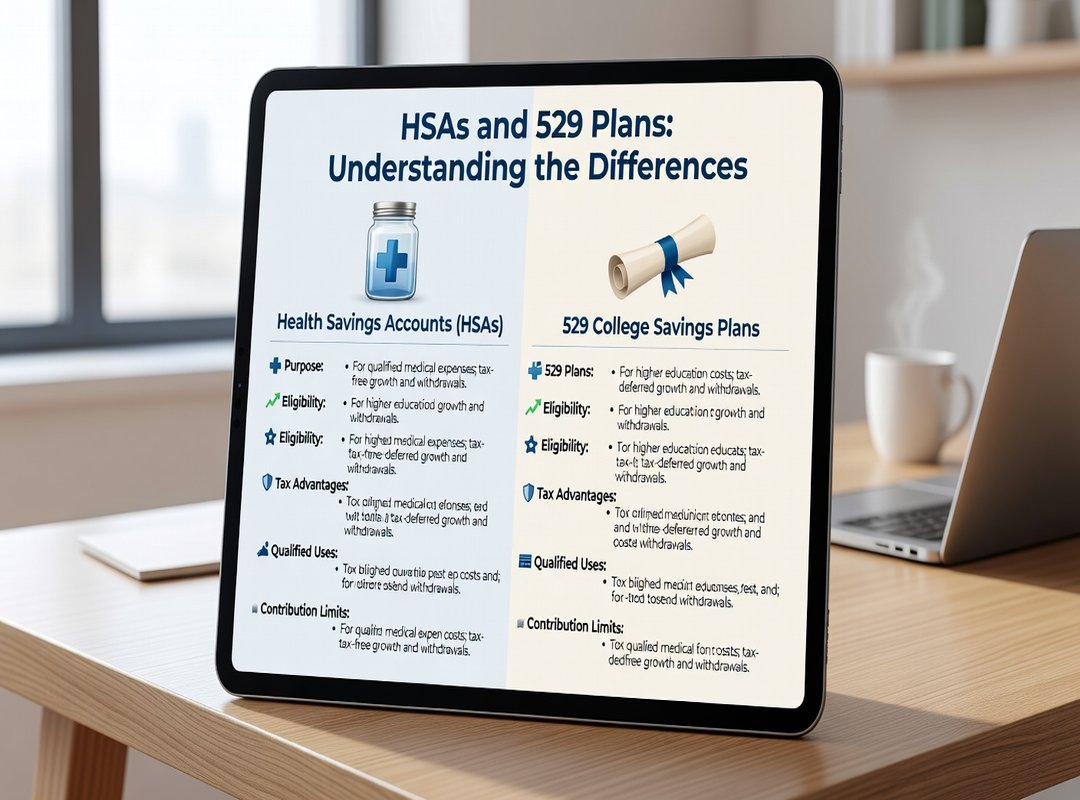
I opened an HSA before I even had a high-deductible health plan. Big mistake. It got rejected.
HSAs are triple-tax-advantaged (you) deduct contributions, they grow tax-free, and withdrawals for medical bills cost zero in taxes. But only if you’re actually enrolled in a qualifying HDHP. (I wasn’t.)
I also treated my HSA like a short-term health wallet. Then I learned you can use it like a retirement account after 65 (no) penalty on non-medical withdrawals. Just pay income tax then.
529 plans? Same energy. I waited until my kid was 16 to start one.
Too late to compound meaningfully.
They’re for education (college,) trade school, even up to $10,000 per year for K (12) tuition in some states.
Growth and withdrawals are tax-free. if used for qualified expenses.
Yours.
Which Investment Account to Open Gscfinanceville depends on your life stage and goals. Not your neighbor’s. Not some influencer’s.
HSAs fit best if you’re healthy, have an HDHP, and want long-term savings with health flexibility.
529s make sense if you’re saving early for someone’s education (and) you’re okay locking funds to that purpose.
I wish I’d known that before opening three accounts I didn’t need.
What to Do Next in Gscfinanceville
You want to know which investment account to open Gscfinanceville. Good. Let’s skip the theory.
Start with your goal. Retire in 10 years? Save for a house next year?
Pay off debt first? Your timeline changes everything.
Taxes matter. A lot. If you hate paperwork, avoid accounts that demand extra forms every April.
(Yes, I’m looking at you, HSA.)
New to investing? Open a Roth IRA with $50. Just do it.
See how it feels. Then decide what’s next.
No single account fits everyone. Not mine. Not yours.
Not your neighbor’s.
Local advisors exist. So do online brokers that serve Gscfinanceville. Where can i find financial advice gscfinanceville has real names and numbers. Call one.
Ask one question. Then another.
Your Account Choice Starts Now
I opened my first IRA at 24. I messed up the paperwork. You don’t have to.
You now know the difference between retirement, general, and specialized accounts. That’s not trivia (it’s) use. Pick wrong, and you pay more taxes or miss out on growth.
Pick right, and your money works harder for you.
Which Investment Account to Open Gscfinanceville isn’t a puzzle. It’s a match. Match it to your goal.
Match it to your timeline. Match it to your life.
You wanted clarity.
You got it.
So what’s stopping you from opening one today?
Nothing.
Don’t wait. Open an account that fits your future (not) someone else’s template. Do it before the week ends.
 Trail Content & Community Manager
Auritha Wolfquell oversees the storytelling and community engagement side of FMBOffroad.com, bringing every adventure to life through compelling content and rider-focused communication. She specializes in creating informative articles, trail features, and lifestyle content that resonates with off-road enthusiasts. Her creative vision helps strengthen the connection between the brand and its growing audience of motorcycle explorers. Auritha is passionate about outdoor travel, motorsport culture, and building communities centered around shared experiences. She also manages collaborations, rider spotlights, and digital campaigns that highlight the excitement of off-road adventures. Her energetic approach and attention to detail make her an essential voice within the FMBOffroad team.
Trail Content & Community Manager
Auritha Wolfquell oversees the storytelling and community engagement side of FMBOffroad.com, bringing every adventure to life through compelling content and rider-focused communication. She specializes in creating informative articles, trail features, and lifestyle content that resonates with off-road enthusiasts. Her creative vision helps strengthen the connection between the brand and its growing audience of motorcycle explorers. Auritha is passionate about outdoor travel, motorsport culture, and building communities centered around shared experiences. She also manages collaborations, rider spotlights, and digital campaigns that highlight the excitement of off-road adventures. Her energetic approach and attention to detail make her an essential voice within the FMBOffroad team.